When your vehicle ends up stuck in a ditch or comes to a sudden halt in the middle of the road, your first instinct is to tow it and take it to a repair shop nearby. But here’s the thing – without right towing gear, even the simplest recovery can turn into a major headache.
Many drivers in Australia, surprisingly, have no idea about tools they need to carry or how to use them for secure and efficient towing. Don’t worry, we’ve got you covered!
In this blog, Brisbane Towing and Recovery will tell you everything about using towing gear the right way. From understanding must-have equipment to expert tips for secure towing, we will cover all crucial aspects so that you can handle any roadside situation with confidence and care.
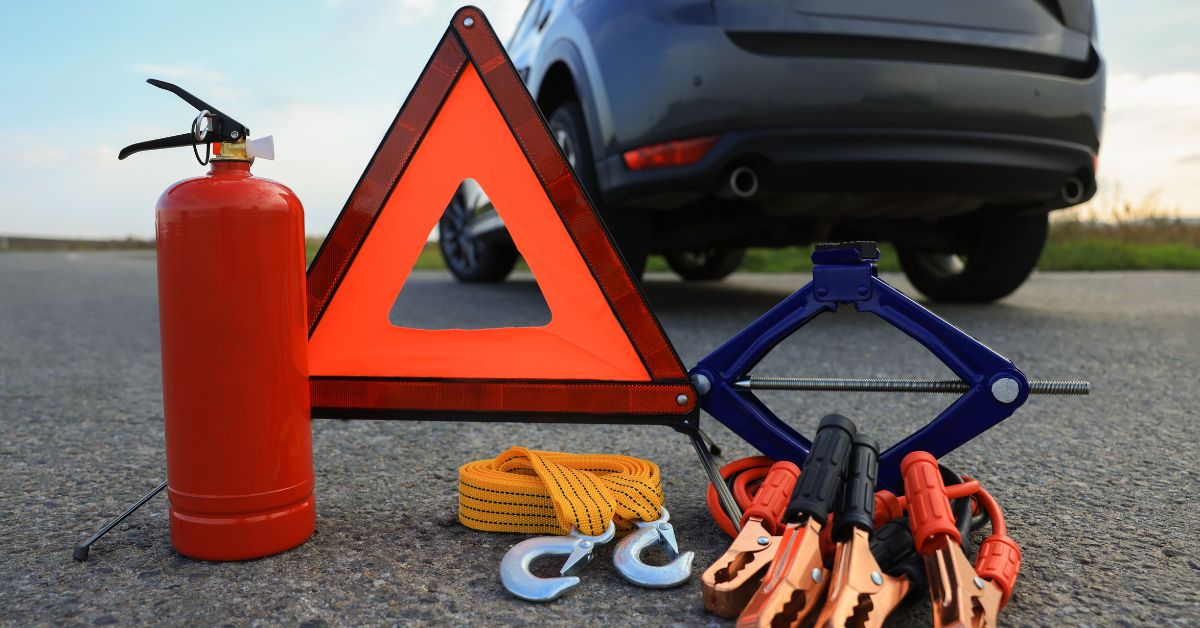
Attaching a rope to the bumper and pulling your car? No, towing a vehicle is much more than that. It’s about having fitting gear, using it precisely, and understanding what each tool is designed to do. Here, we have prepared a list of tools every driver in Australia should know about, and use wisely:
Experts refer to them as lifelines to any towing situation. Tow straps are composed of strong polyester with small stretch. They can be used to pull a vehicle behind another. Recovery straps, however, are made to stretch a little bit and then snap the vehicle that is stuck in the mud, sand or snow.
Make sure never to tie knots in them. Also, avoid putting more than the rated capacity on tow and recovery straps. Doing so can make straps weak and recovery risky.
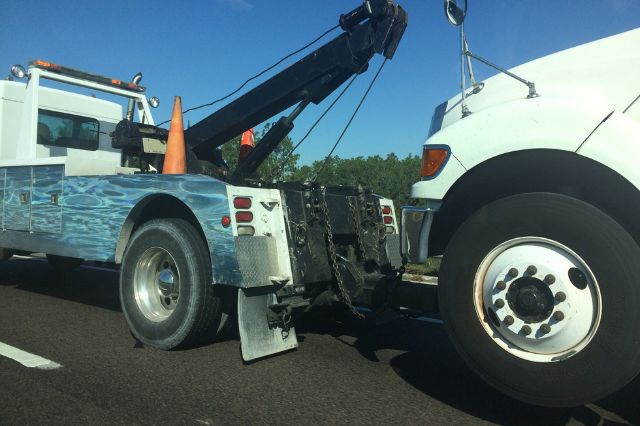
Next up on our list of right towing gear are tow hooks and D-shackles (also called bow shackles). They act as points of secure connection between vehicles and straps. Small but strong, these links make it possible to carry a load of tons in towing.
Always use forged steel shackles with a high load rating. Make certain that they are adequately screwed in before pulling.
Quick tip: Don’t use your vehicle’s bumper and suspension as a tow point. You might end up damaging the car if something goes wrong.
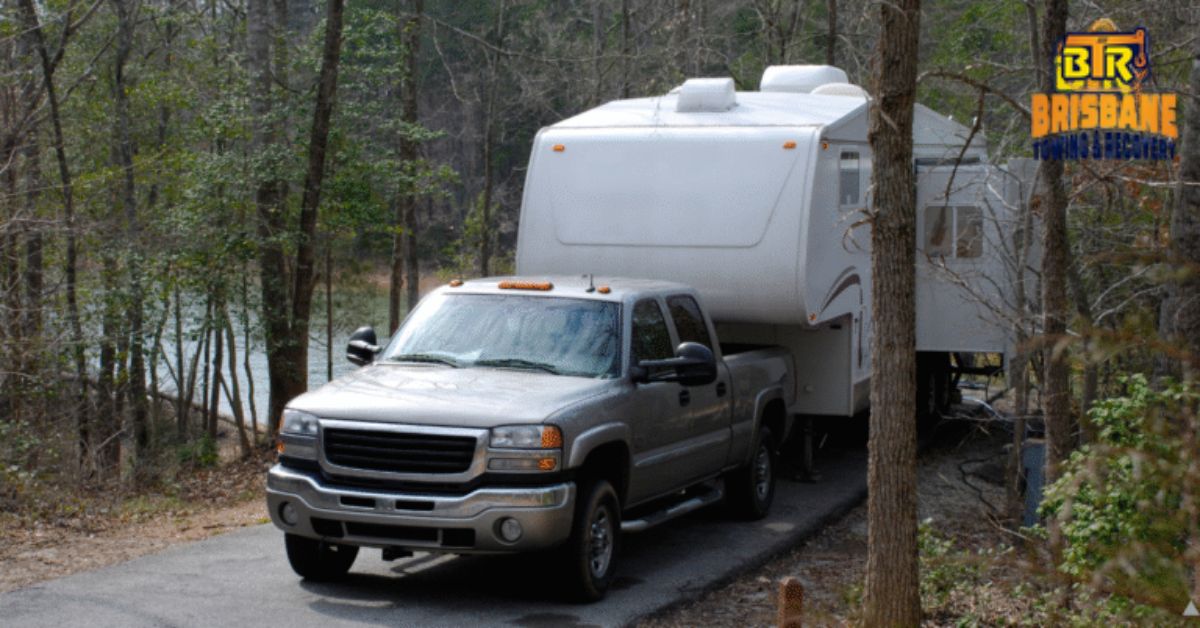
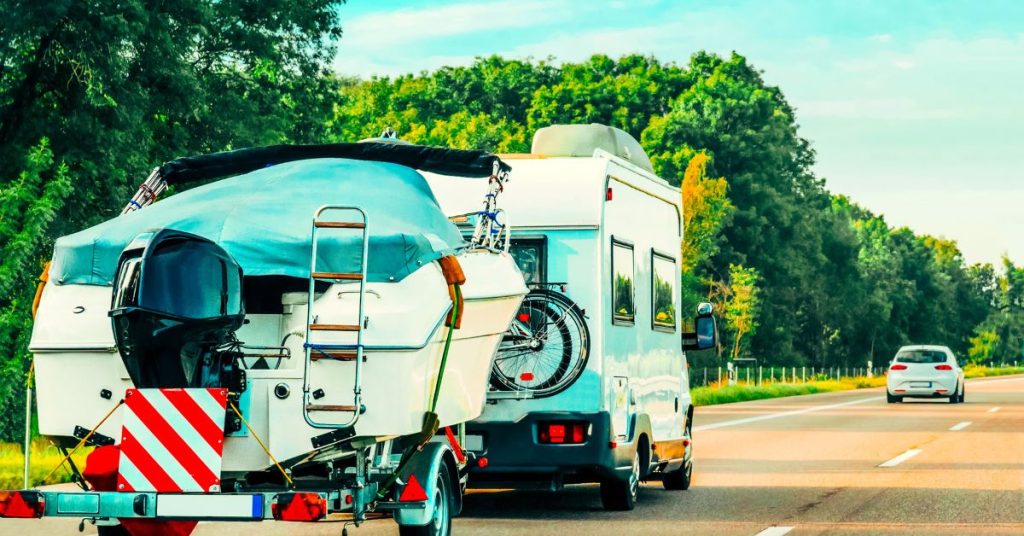
Drivers thinking of towing trailers, caravans or boats must add a tow bar or hitch setup in their towing gear. A solid tow bar offers a good and firm hook between towing and the car being towed. It has three main types: fixed, detachable, and swan neck.
For heavy towing, a Class IV or V hitch is the way to go. Fit your tow bar properly and ensure it is rated to the towing capacity of your vehicle. Why, you ask? Because in towing, strength and compatibility are everything!
A winch can turn out to be your BFF when brute pulling power is required. Be it electric or manual, it will assist you in dragging vehicles out of difficult positions and with controlled force. Mount it on a snatch block – a pulley system that doubles the pulling power of your winch and changes direction of pull when required.
Having snatch blocks and winches will make you feel as if physics is on your side. You will have the advantage of recovering your vehicle safely in challenging terrain.
To some drivers, safety chains may appear as mere accessories. But trust us, this towing gear is your plan B if the hitch connection fails. They make certain that there is no complete detachment of your towed vehicle or trailer. Cross them across the hitch to provide additional security.
This creates a cradle with which the tongue is kept from striking the ground. A LITTLE measure that can save you from a BIG crash.
Once you’re done reading, do come back and check out these resources:
Safety tips for drivers waiting for tow trucks
Your brake system must be tuned for handling additional load, especially when it comes to pulling out trailers or caravans. Brake controllers ensure the trailer’s brakes match those of your vehicle, giving you a better and safer stop. Use them with tow lights or light boards to make sure your indicators, brake lights and tail lights are visible to other motorists.
Finally, do not undermine the significance of heavy-duty gloves and the entire recovery kit. Gloves cover your hands against burns, cuts, and friction caused by a rope. A recovery kit normally contains straps, shackles, gloves, snatch block – all of which you require to pull someone in case of an emergency.
Having these towing gears in your boot guarantees you are always prepared for unexpected roadside situations.
Your safety should always be the topmost priority even when using the best towing gear. Because one wrong step or negligence may result in damage and injuries.
Here are some basic safety measures to follow whenever towing a vehicle:
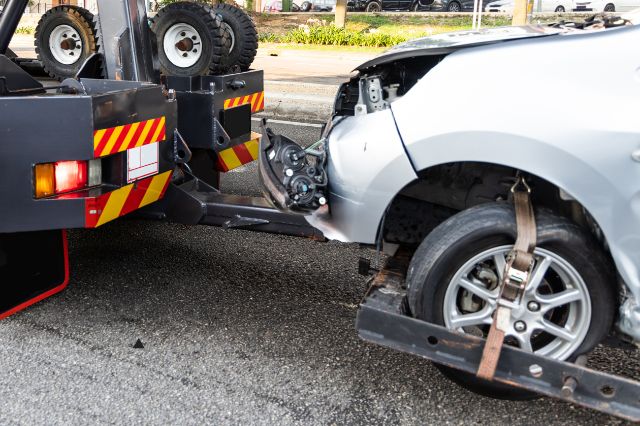
Although accurate gear and safety tips can make towing smoother, it’s still not easy. Handling heavy vehicles, assessing road conditions, using gear correctly – these aren’t everyone’s cup of tea. One mistake and you can end up doing more damage than good. So, what exactly should you do?
*Enter Brisbane Towing and Recovery*
With 10+ years of hands-on experience, we know exactly how to handle any towing situation. Our team helps vehicle owners rescue or move with care and precision. Using right equipment, guaranteeing complete safety – we make the process quick, stress-free, and professional.
So next time your vehicle needs help, skip the hassle! Call us on 0438 155 555. Let experts do it right.
Also, check out our most popular services:
Accident towing services in Brisbane
Container towing services in Brisbane