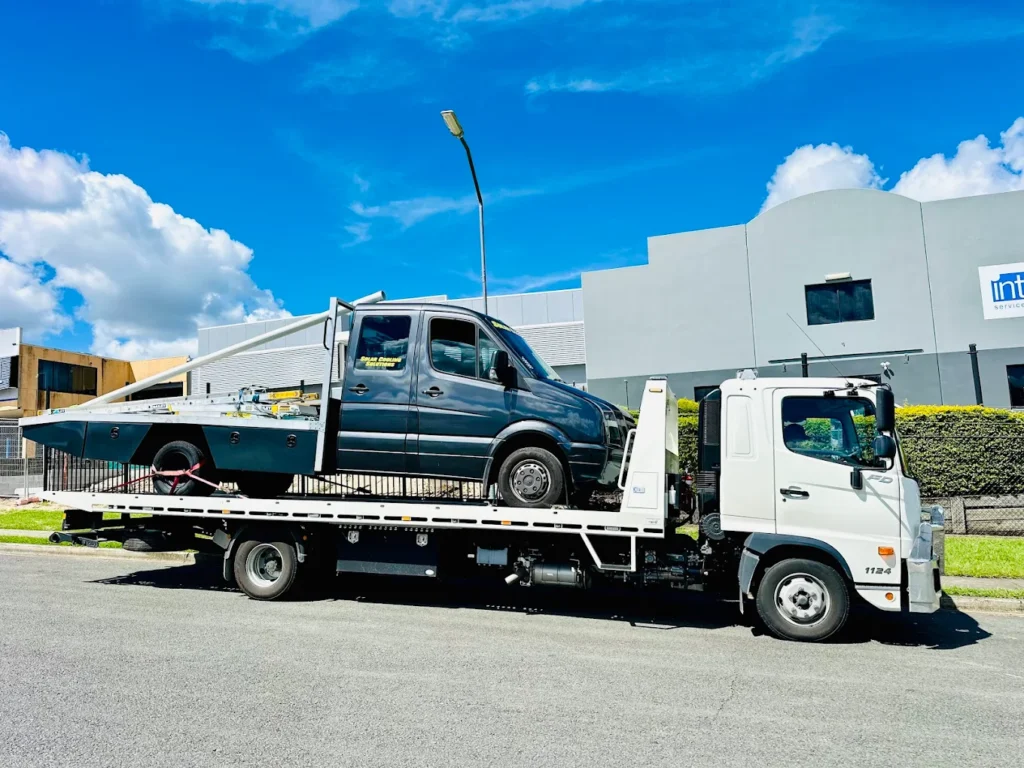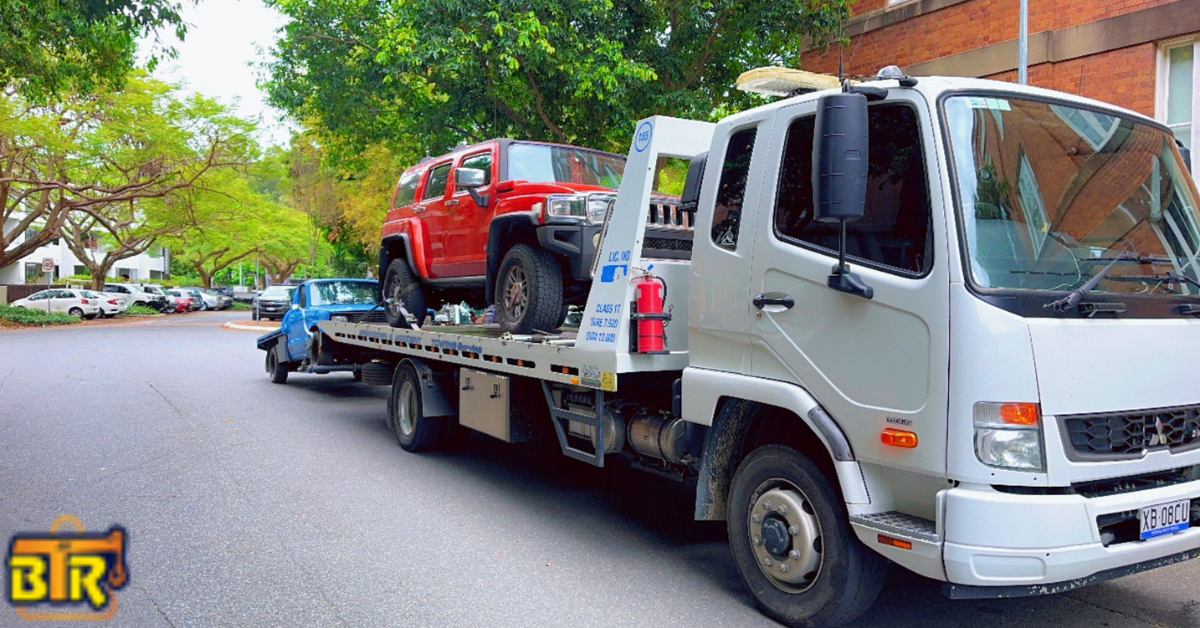
Long-Distance Car Towing: 9 Things to Check Before You Tow

Driving across Brisbane or Queensland can be one of the most beautiful experiences—coastal highways, long open stretches, and scenic inland routes. But when you’re towing a vehicle for hundreds of kilometres, things can go wrong quickly if you’re not prepared.

Long-distance car towing isn’t just about hooking up a trailer and hitting the road. It requires planning, the right equipment, and a clear understanding of how your setup behaves during long hauls.

In this blog, Brisbane Towing and Recovery —a leading car towing company in Brisbane— shares the 9 most important checks to make before starting your trip. These simple precautions can prevent breakdowns, accidents, and expensive roadside issues.

Long-Distance Car Towing Tips from Brisbane

Below are 9 essential things you should always check before starting any long-distance tow across Queensland, especially if you're travelling through remote routes or unfamiliar Australian highways.

1. Confirm Your Vehicle’s Towing Capacity

Your towing journey starts with one question: Can your vehicle actually pull the weight? Exceeding towing limits is one of the main causes of transmission strain and engine overheating during long-distance car towing. Check your manual or manufacturer’s guide — staying within those limits is essential for safety.

2. Inspect the Tow Bar and Hitch

secure hitch is the foundation of any long distance tow service. Make sure the:

  • Tow ball matches the coupling
  • Tow bar has no rust or cracks
  • Pins and bolts are tight
  • Hitch components aren’t worn out

A poorly fitted hitch can cause sway or detachment at highway speeds, shares tow operators at Brisbane Towing and Recovery.

3. Distribute Weight Correctly

Load distribution directly affects stability. Experienced long distance tow operators follow one simple rule:
Keep about 60% of the load in the front section.
This reduces sway, helps maintain straight-line control, and ensures safer braking. This simple rule helps DIY towers dodge a lot of bullets!

4. Check Tyres on Both Vehicles

Tyres are often ignored until something goes wrong — especially on long Australian roads.
Check for:

  • Correct tyre pressure
  • Good tread depth
  • No cracks or bulges
  • Even wear

Underinflated tyres can overheat on long-distance runs, while overinflated ones reduce traction.

5. Test All Lights and Electrical Connections

Good lighting is essential when your tow setup is longer than usual. Confirm that below lights and electrical connections are working perfectly on both vehicles:

  • Brake lights
  • Indicators
  • Tail lights
  • Hazard lights

 Faulty lights can cause accidents, especially on dim regional roads.

6. Understand Your Stopping Distance

Towing adds weight, and more weight means more stopping distance. During long distance car towing, always:

  • Keep extra space from the vehicle ahead
  • Brake gradually, not suddenly
  • Slow down before corners

This prevents jackknifing — a common towing hazard.

Check out these resources as well: 

Junk Car Towing in Brisbane

Ready for Towing in Brisbane or Rocklea? Keep These 10 Things in Mind

10 Challenges of Farm Machinery

10 Ways Flatbed Tow Trucks Protect Your Vehicle

Camper Towing: 15 Things to Keep in Mind

7. Use Proper Tow Mirrors

Standard mirrors often don’t cut it when towing. Tow mirrors help you:

  • Monitor the towed car
  • Spot blind areas
  • Change lanes safely
  • Reverse with confidence

Good visibility reduces stress and improves safety on long-distance drives. This is how experienced tow operators operate in Brisbane and beyond!

8. Secure Everything Before You Leave

Whether towing a family car, a 4WD, caravan, or a project vehicle, make sure everything is locked and secured. Before starting your long distance journey, check that:

  • Windows are up
  • Doors are locked
  • Steering is set correctly
  • Interior items won’t shift during travel

A quick check prevents damage and unnecessary stops mid-journey.

9. Plan Fuel, Rest, and Safety Breaks

Queensland highways can stretch for hours with minimal stops. Plan ahead for:

  • Fuel stations
  • Rest areas
  • Tyre check spots
  • Safe pull-over zones

Stopping every 1–2 hours helps you inspect your setup, stay alert, and catch issues before they become dangerous.

Choose BTR for Hassle-Free Long-Distance Towing

Long-distance towing doesn’t need to be stressful. With the right preparation, you can tow confidently across any part of Queensland.

Over the past decade, Brisbane Towing and Recovery has towed everything. From family cars to 4WDs, project cars, caravans, containers, and commercial vehicles, our team is equipped for safe, affordable long-distance tow service anywhere in the region.

Need help with long-distance towing or stuck on the road? Call 0438 155 555 for fast and dependable assistance.

Also, check out our most popular services:

Accident towing services in Brisbane

Low vehicle towing in Brisbane

Light truck towing in Brisbane

4WD towing and recovery in Brisbane

Low profile car towing in Brisbane


Related Blogs

Picking Best Truck for Towing in Brisbane: 9 Things to Remember
How Much Towing a Boat Costs in Brisbane: Everything Covered
How Much Does Towing a Container Cost in Brisbane: Everything Covered
Towing For Cheap in Brisbane: Best Operators and 9 Tips for Max Savings
Understanding Towing Fees: Different Types of Charges You Should Know
5 4WD Trails and Tracks in Brisbane Region
How to Get Your Car Towed to a Mechanic​ in Brisbane?
Towing a Food Truck Van in Brisbane: 8 Tips to Consider
Light Truck vs. Heavy Truck Towing: 7 Differences to Keep in Mind
Motorhome Towing Checklist for Max Safety and Smooth Transportation
Hiring 7 tons Truck in Brisbane: Best Operators and 10 Things That Matter
6 Machinery Situations Where You Need to Hire BTR’s Heavy Duty Towing Truck
What Are the Signs Your Vehicle Needs Towing?
Off-road vehicle recovery: 10 things to keep in mind when stuck
Winter Towing Guide: 12 Tips to Get Season Ready
10 RV Towing Mistakes to Avoid for Best Transport Experience
Electric Vehicle Towing in Brisbane: Everything You Need to Know
Vehicles That Can Be Flat Towed: Complete List
Boat Hauling in Brisbane: 8 Things to Avoid
Ready for Towing in Brisbane or Rocklea? Keep These 10 Things in Mind
Hiring Light Truck Tow in Brisbane: Do’s and Don’ts to Consider
Car Gear Checklist: 8 Items to Add and What to Do When Nothing Works
12 Common Breakdown Spots in Brisbane
9 Things People Forget Before Booking a Storage Container Towing
10 Challenges of Farm Machinery Transport and How BTR Manages Them
Junk Car Towing in Brisbane: Everything You Need to Know
10 Ways Flatbed Tow Trucks Protect Your Vehicle
Camper Towing: 15 Things to Keep in Mind
Tow Bar for Trucks: Types, Benefits, and Buying Guide
Transporting Light Machinery & Equipment: 8 Tips from Tow Truck Experts
How to Handle a Bike Breakdown: Essential Steps for Safe Recovery
How to Tow a Caravan: Simple Guide For First Timers
7 Signs of Dying Car Battery & Tips to Maintain Battery Health
10 Car Towing Tips to Avoid Accidents in 2025
Types of Shipping Containers and How to Transfer Them
Types of Tow Trucks: Everything You Need to Know
Oversized Load Towing Essentials and Expert Tips to Do it Right
Emergency Towing in Brisbane: 10 Things to Keep in Mind
Shipping a Tractor in Australia: How-to Guide, Cost, and More
Subaru Outback Breakdown: Here’s What to Do Before 4WD Tow Help Arrives
Tow Truck Safety Features You Must Know About
Cost of Towing a Car in Brisbane: All Pricing Angles Covered
8 Tow Laws and Regulations that are Must-Follow on Brisbane Roads
Low Clearance Car Towing: 7 Things to Keep in Mind
Safety Inspection Checklist for Legal Towing Compliance
Emergency Tool Kit for Car: 10 Must-Have Tools for a Safe Driving Experience
Safety Tips for Drivers While Waiting for a Tow Truck in Brisbane
Using Towing Gear the Right Way: Tools to Utilise and Tips to Consider

Cradle Tow Trucks: Everything You Need to Know
Tipping Tow Truck Drivers: 10 Tips to Do it Right
Using Hitch Locks for Towing: 10 Best Tips and Ideas