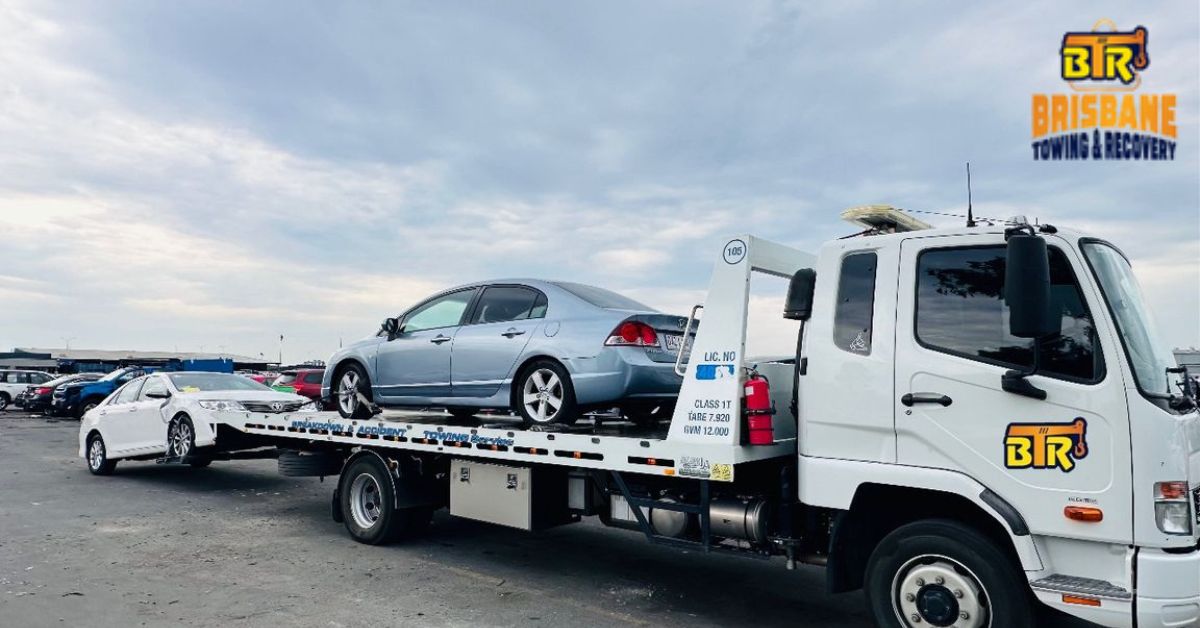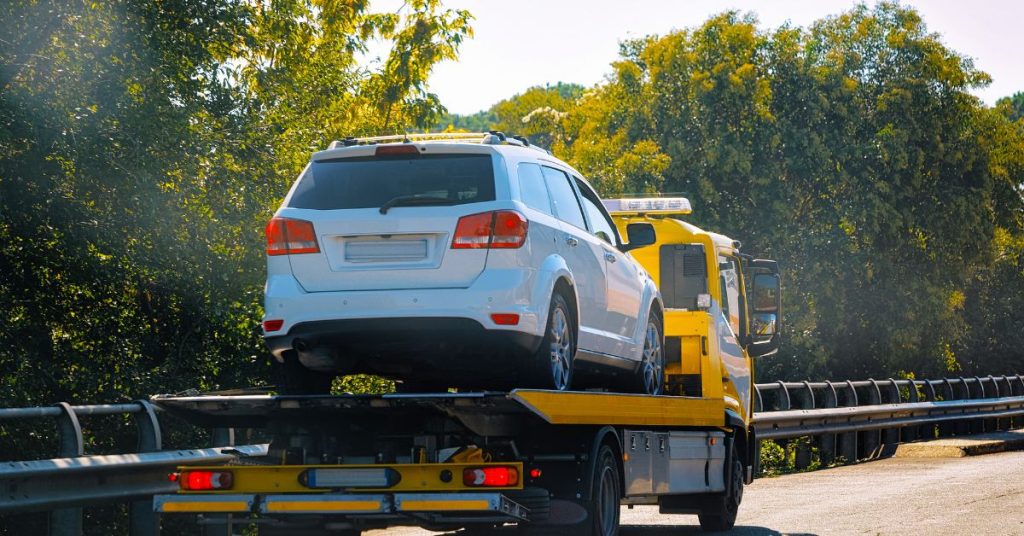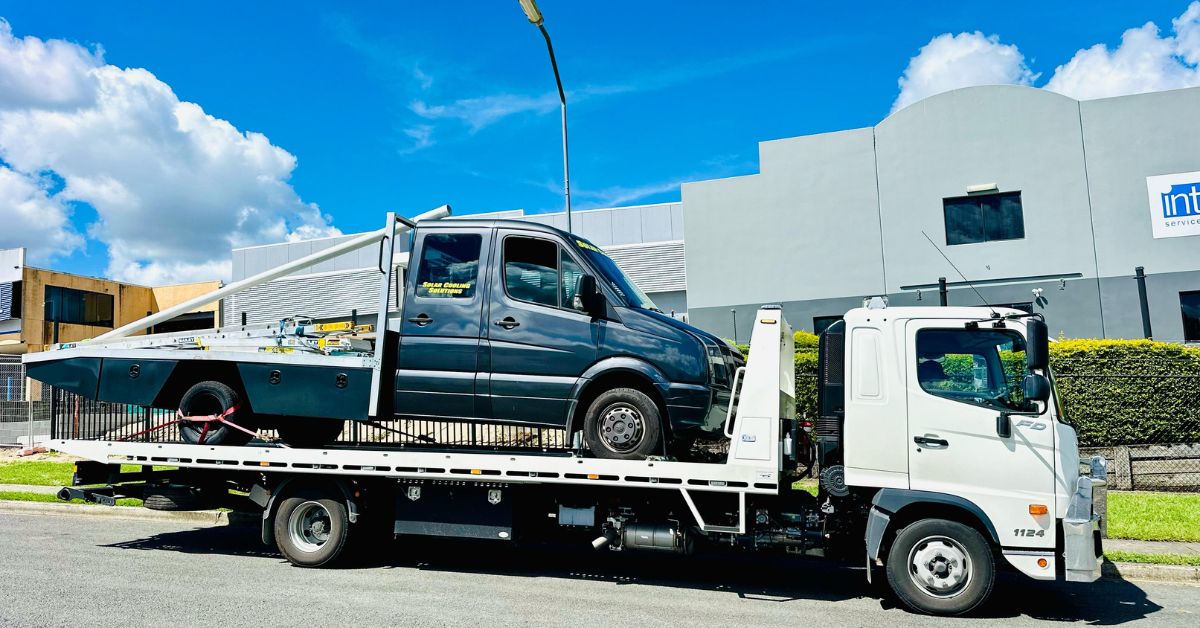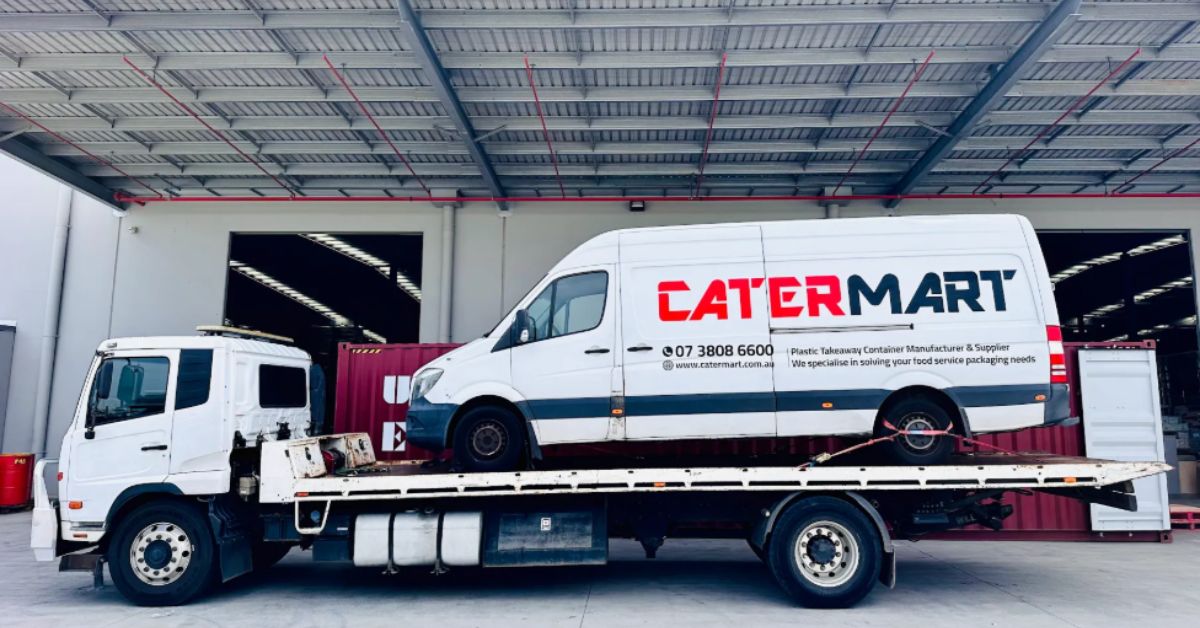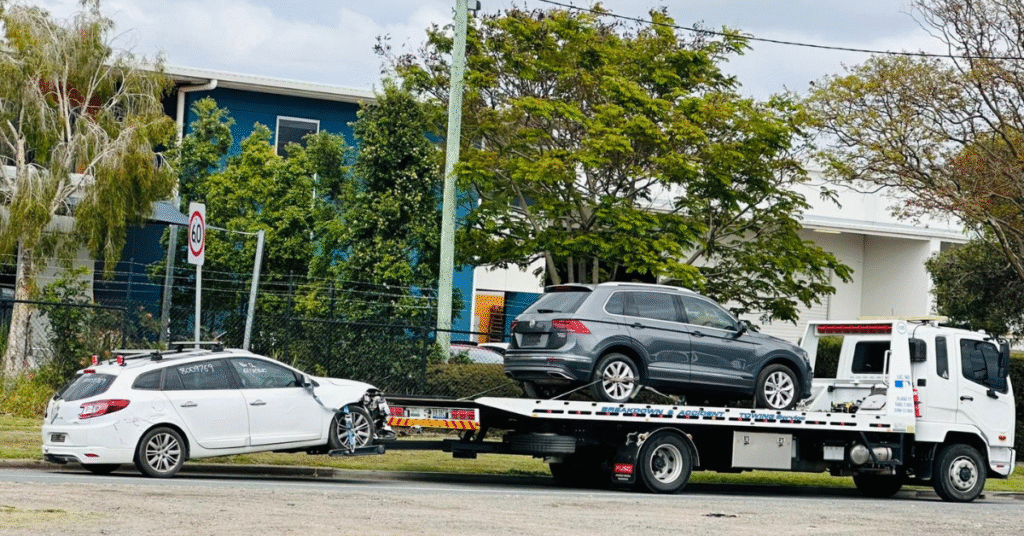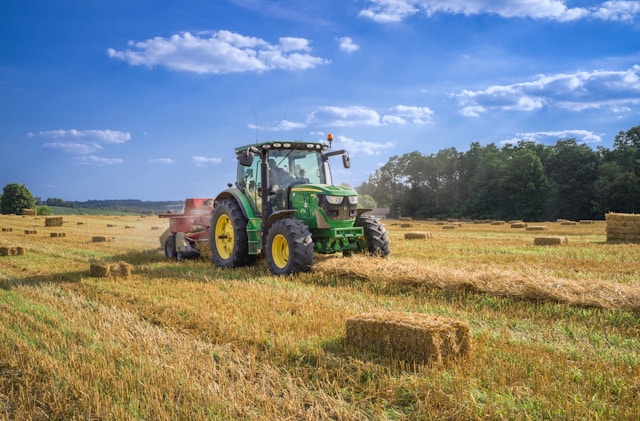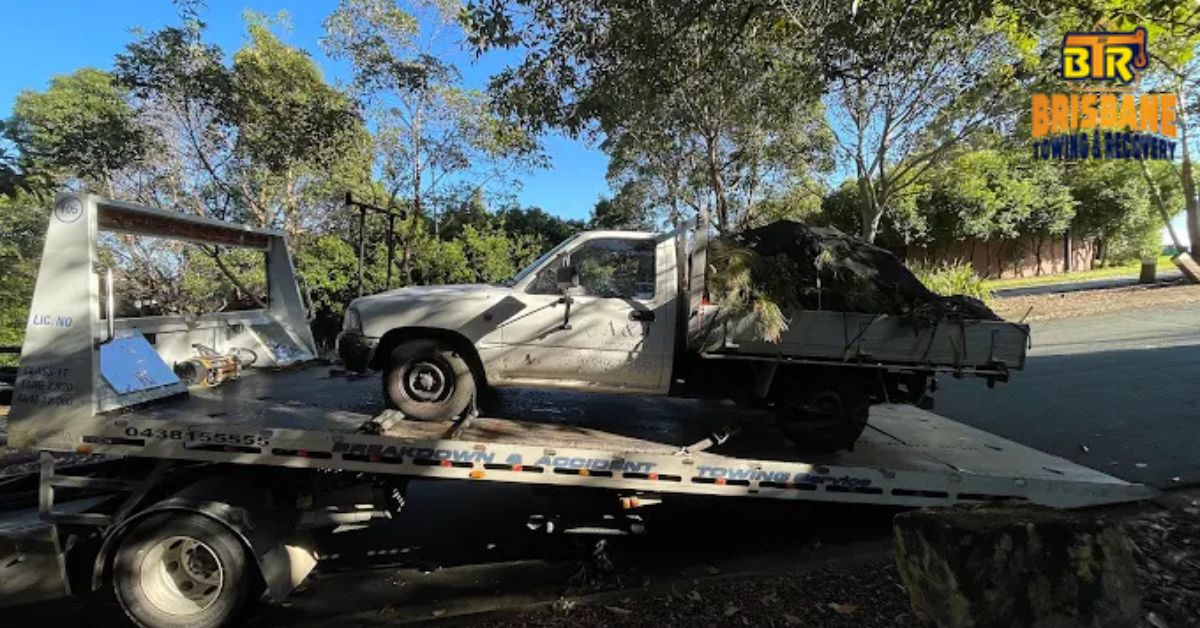
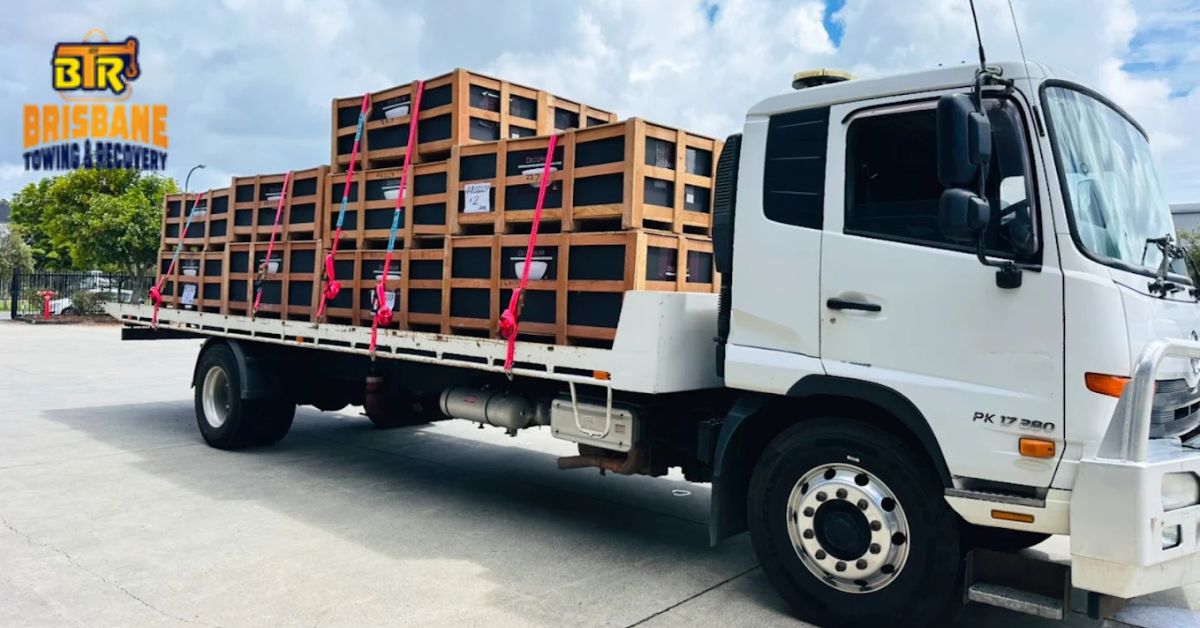
Transporting light machinery and other equipment is a weighty task that requires careful planning and attention to detail. Whether you’re moving construction machinery, industrial equipment, or other types of light items, ensuring a smooth and safe transportation process is basic to avoid costly damage and delays.
Brisbane Towing & Recovery – a leading tow truck provider in Brisbane – is here with a list of 8 tips and ideas to help guide you through the process of transporting light machinery and equipment with comfort. This is also how top tow truck providers like us move light machinery and material!
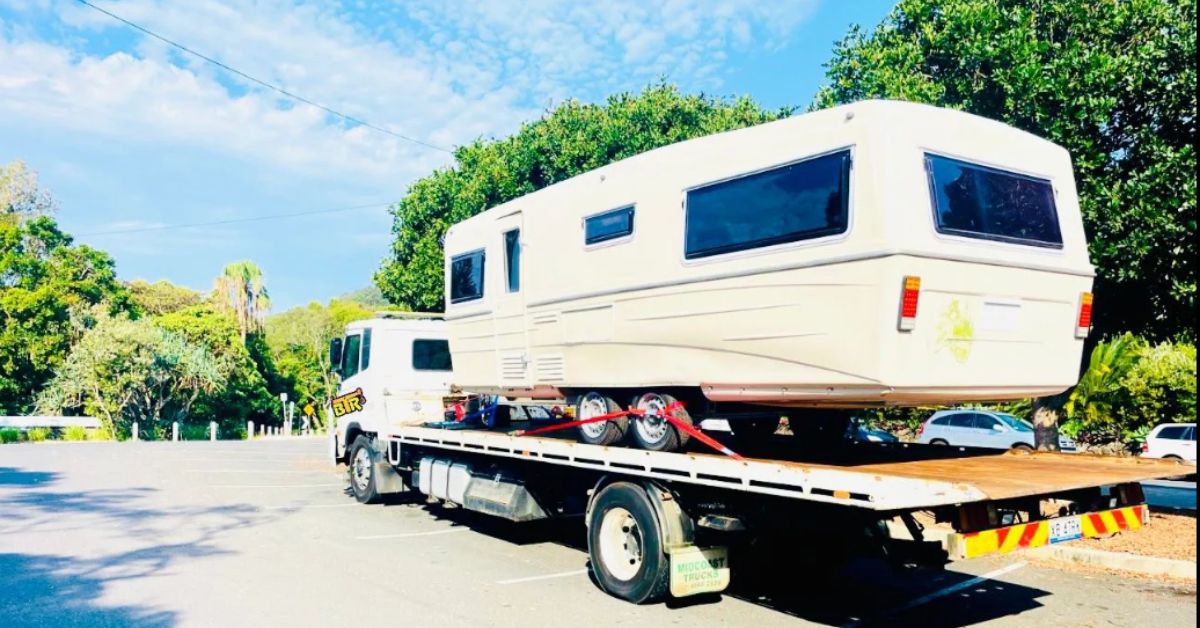
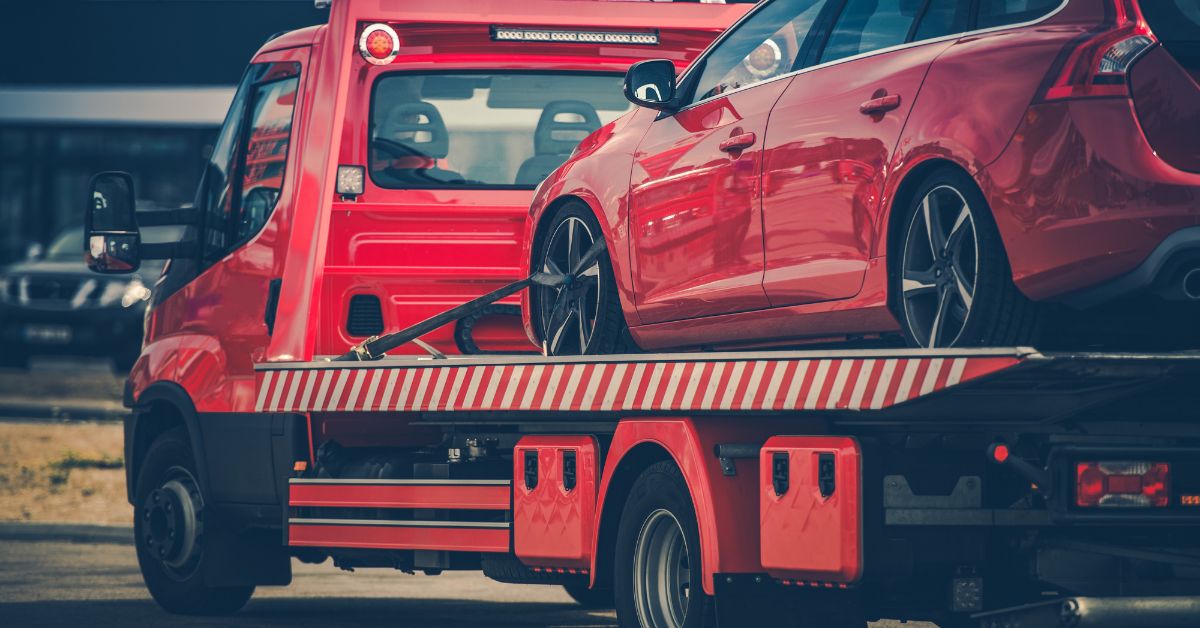
One of the most important factors in transporting light machinery is choosing the right transport vehicle. The size, weight, and dimensions of the machinery will set out the type of vehicle you need. Flat trucks, lowboy trailers, and specialized light refuse collectors are often used for this purpose. Make sure the vehicle you choose is capable of handling a load without compromising safety and stability.
– Judge/measure the weight, size, and dimensions of the equipment.
– Choose from flatbed trucks, double drop trailers, or specialized vehicles.
– Speak with clients regarding machinery or equipment details crucial for transportation.
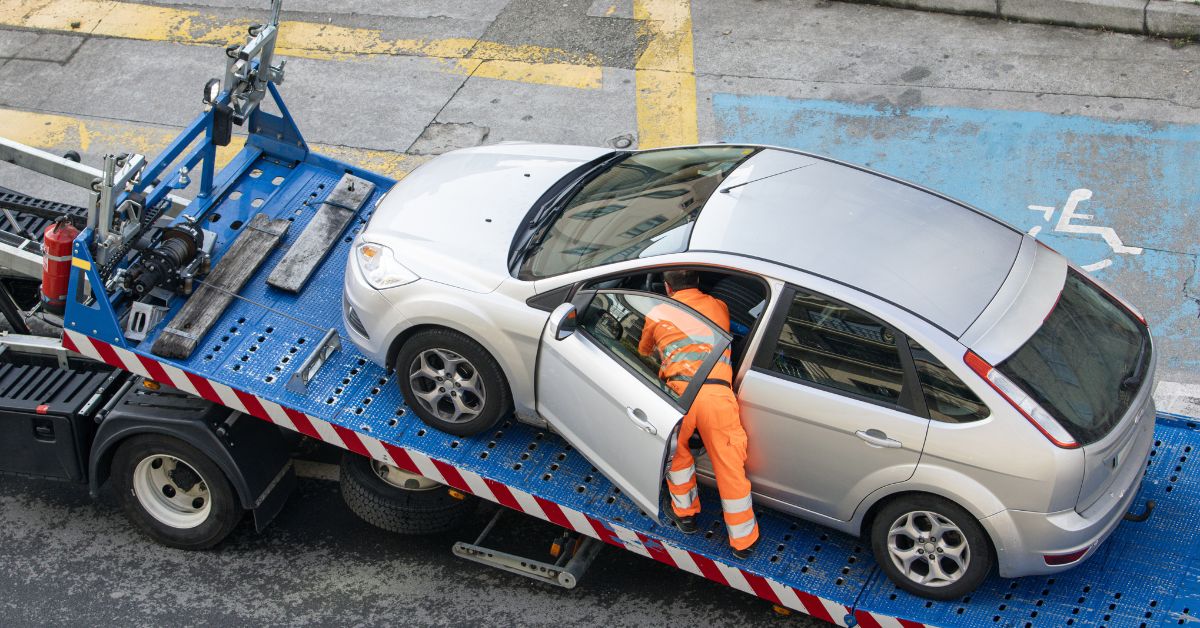
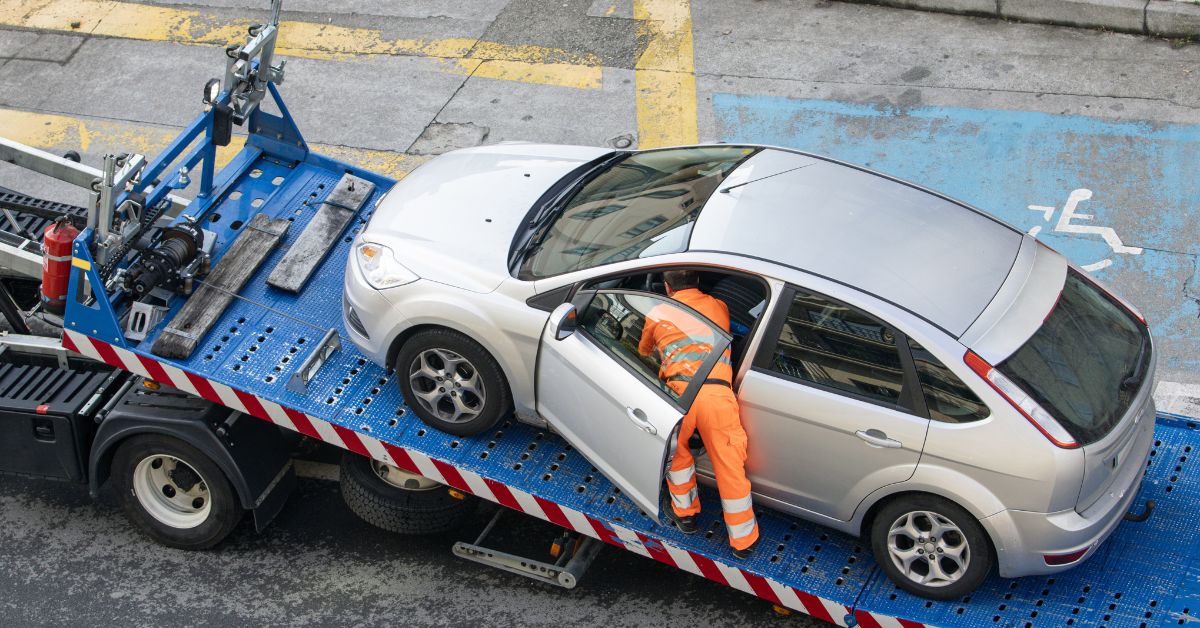
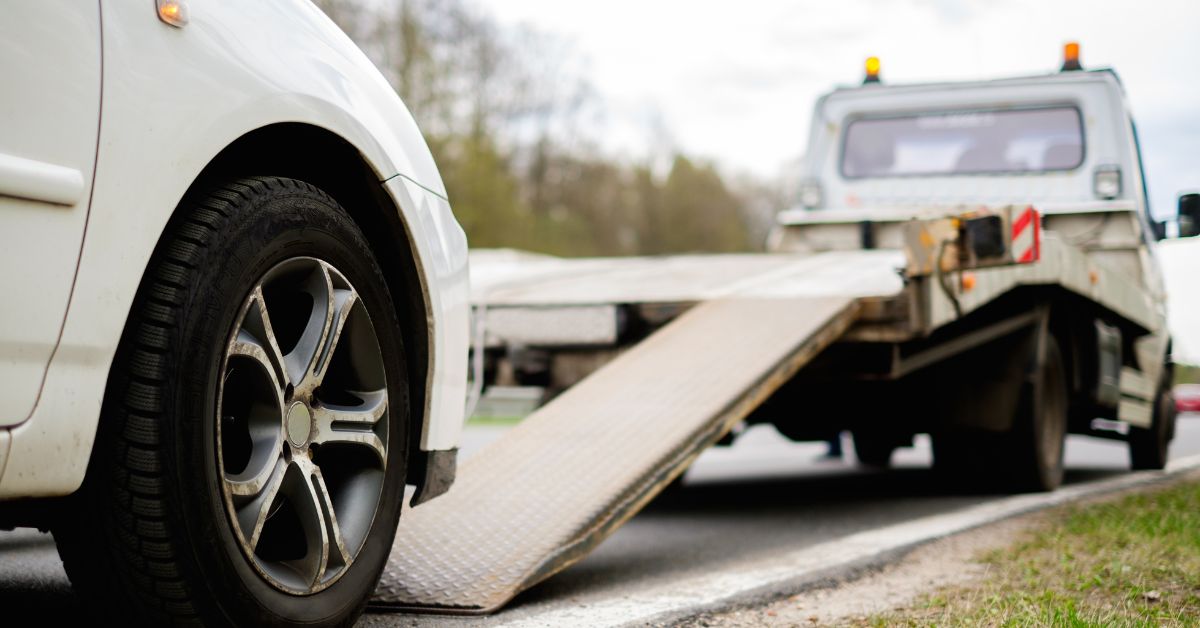
Proper loading and unloading methods are important for the safety of both the equipment and those who handle it. Light machinery should be secured with the right type of equipment such as chains, straps, or lifting drapes. Also, make sure the equipment is balanced properly on the trailer to prevent any turnover and shifting during transit.
– Use proper lifting equipment (chains, slings etc).
– Confirm the proper balance to prevent shifting.
– Always use professionals to load and unload when possible.
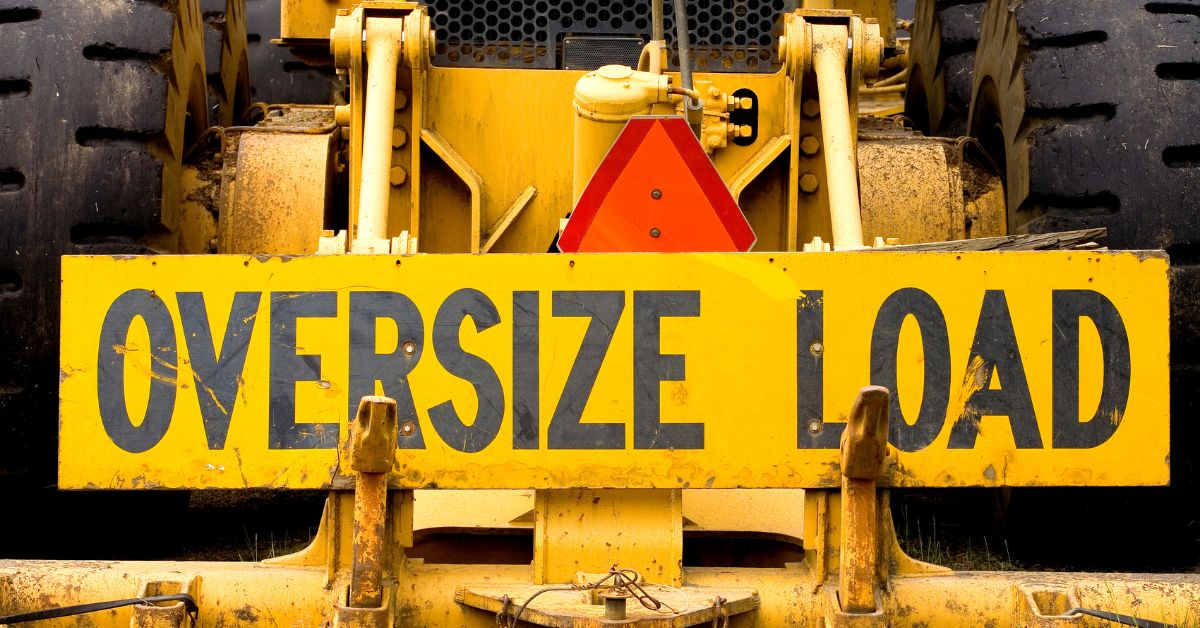
Before transporting light machinery, it is important to check in case any special permits or clearances are required, especially when crossing the state or national borders. Oversized or overweight loads often need specific permits from the local authorities to avoid legal issues. Also, make sure you obtain these permits in advance to prevent delays.
– Check your state and national permit requirements.
– Get permits in advance to avoid delays.
– Ensure conformity with local laws to prevent fines and delays.
Before loading the equipment for transport, conduct a thorough inspection. Look for any loose parts, damage, or defects that may crumble during the journey. Ensure that everything is in working order, and take necessary steps to secure any loose components. This will help avoid any unnecessary damage to the machinery.
– Examine the equipment thoroughly.
– Fix any loose parts or damage before transport.
– Keep full records of the equipment’s condition before transport for reference.

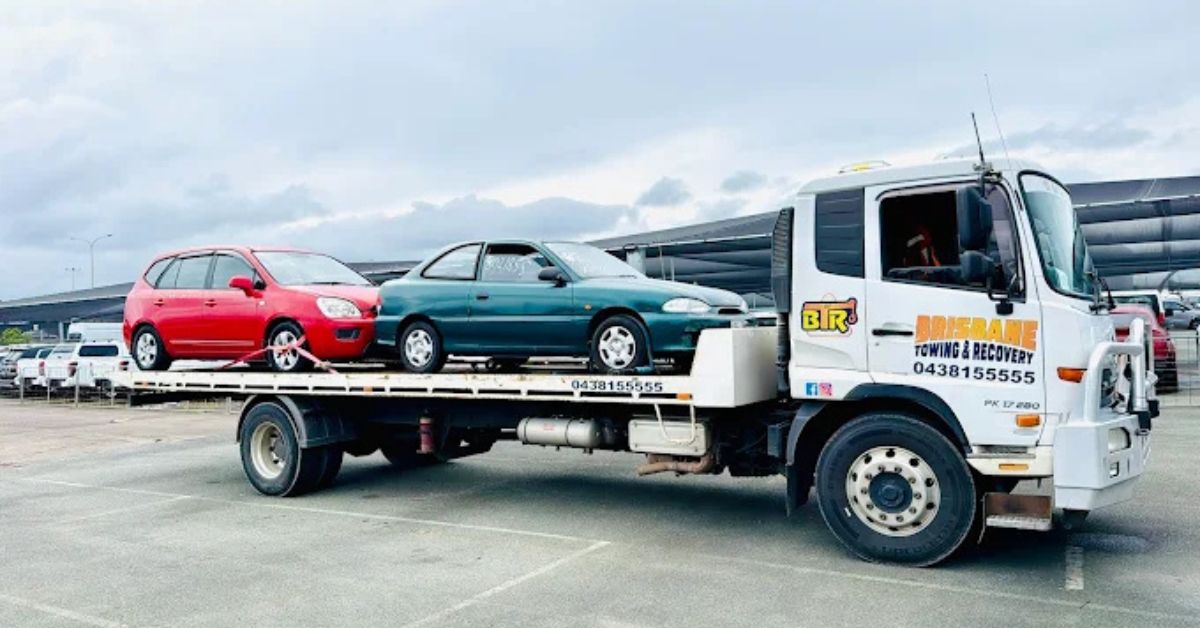
Securing the machinery is one of the most demanding aspects of transporting light equipment. Use high-quality belts, chains, or tie-downs to ensure that the equipment stays in place during the journey. The equipment should not move around or shift, as this could cause damage or accidents.
– Use high-quality securing methods (belts, chains, etc.).
– Ensure that equipment is secure and static.
– Use suitable numbers of tie-downs to evenly separate the load.
Planning the route is an important step in transporting light machinery and other equipment. Check for any low bridges, narrow roads, or other barriers that could obstruct your journey. Make sure the route you choose is suitable for transporting light equipment and factor in rest stops and fuel stops if needed. Avoid routes with construction or areas with light traffic that could cause delays.
– First, plan the route and check for barriers ( low bridges, tight roads).
– Plan for rest stops, fuel stops, and other breaks during the journey.
– Make sure the route you choose is clear of roadworks and light traffic to avoid delays.
One of the critical features of transporting light machinery is establishing proper weight distribution on the transport vehicle. Uneven weight sharing can lead to unstable handling causing damage to machinery or even accidents. Make sure the weight is evenly distributed across the vehicle to maintain balance during the journey.
– Identically distribute weight on the transport vehicle.
– Place light machinery in the centre for better strength.
– Check the vehicle’s load and limit to avoid overloading.
Light machinery is constantly exposed to the elements during transport. Maximum weather conditions such as rain, heat, or snow can cause damage to the equipment or affect its operation. To protect the machinery, think about using traps or other weather-resistant cover to shield from the elements.
– Check the weather prediction and prepare accordingly.
– Correct the sensitive machinery elements from exposure to rain or snow.
Transporting Light machinery and other equipment is easier if you follow these important tips and guidelines. Proper planning, the right equipment, and attention to detail will ensure that your machinery reaches you safely and without unnecessary delays at its destination. In case you’re handling small construction tools or large industrial equipment, these tips will help you track the transportation process with relief.
Brisbane Towing & Recovery is a leading 24/7 towing service for accident car recovery, container towing, machinery towing, and more. Active in the region for almost a decade, our skilled team of tow operators and vehicle recovery experts in Brisbane use top-notch gear and safety measures for a safe towing experience.
Call us on 0438 155 555 to get the best towing services in Brisbane.