
When it comes to towing, choosing between a light tow truck and a heavy tow truck isn’t just a matter of size; it’s about capability, safety, cost, and the type of job you’re handling. Many people assume “bigger is always better,” but in real-world towing, that’s not always true. Understanding the difference between light truck and heavy truck towing can save you money, reduce downtime, and prevent serious operational mistakes.
In this blog, Brisbane Towing and Recovery - a leading tow truck company in Brisbane - lists 7 key differences you should understand before deciding between light-duty and heavy-duty tow truck in Brisbane.
Let’s break down the seven most important differences you should keep in mind before deciding a tow truck for your machinery, container, material, vehicle, or furniture:
The biggest difference between light truck and heavy truck towing is load capacity.
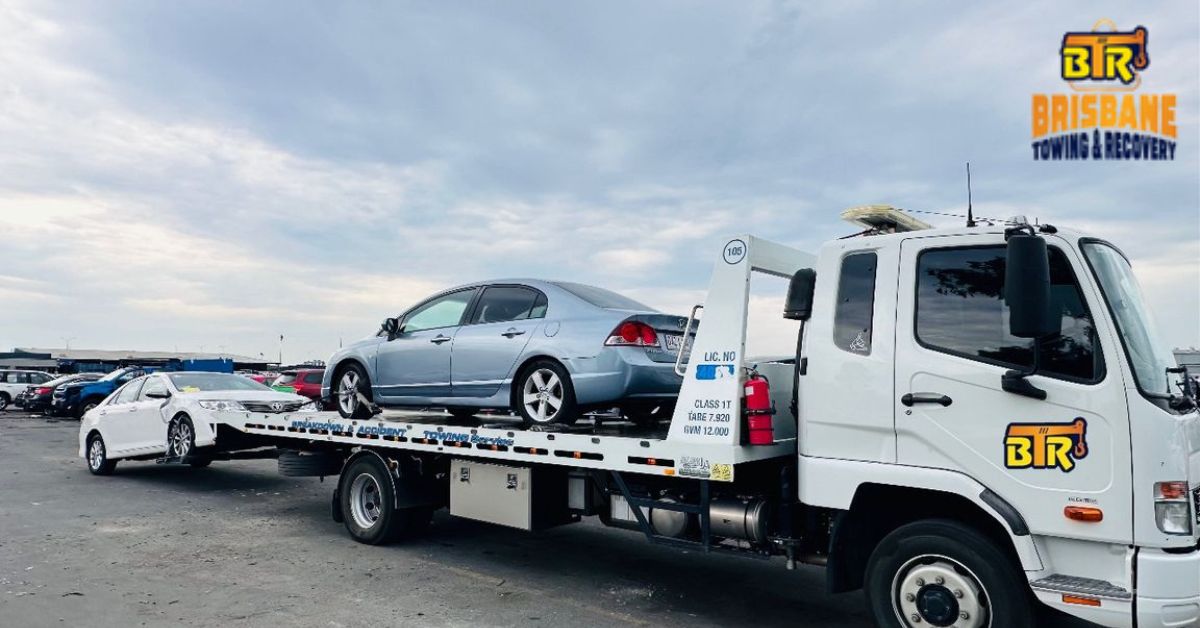
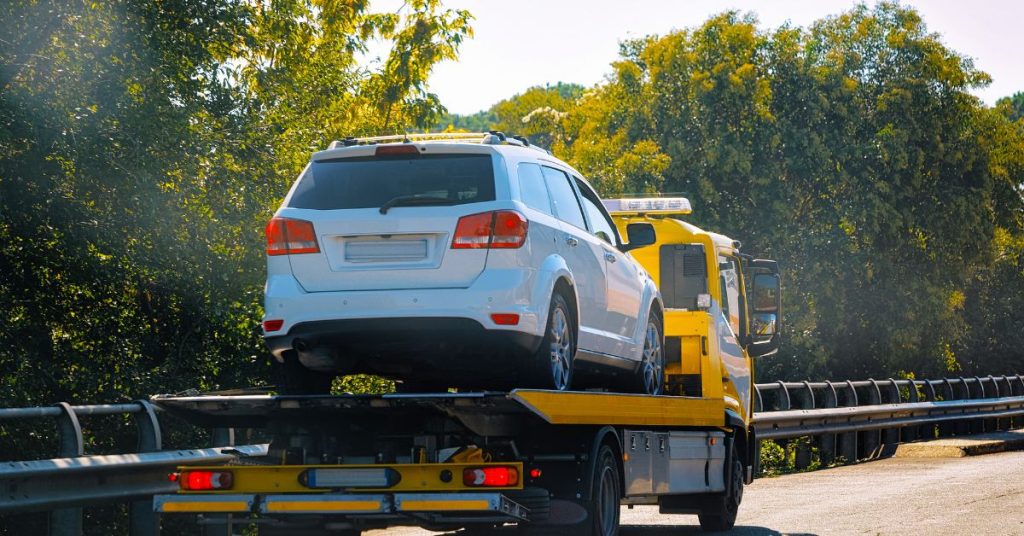
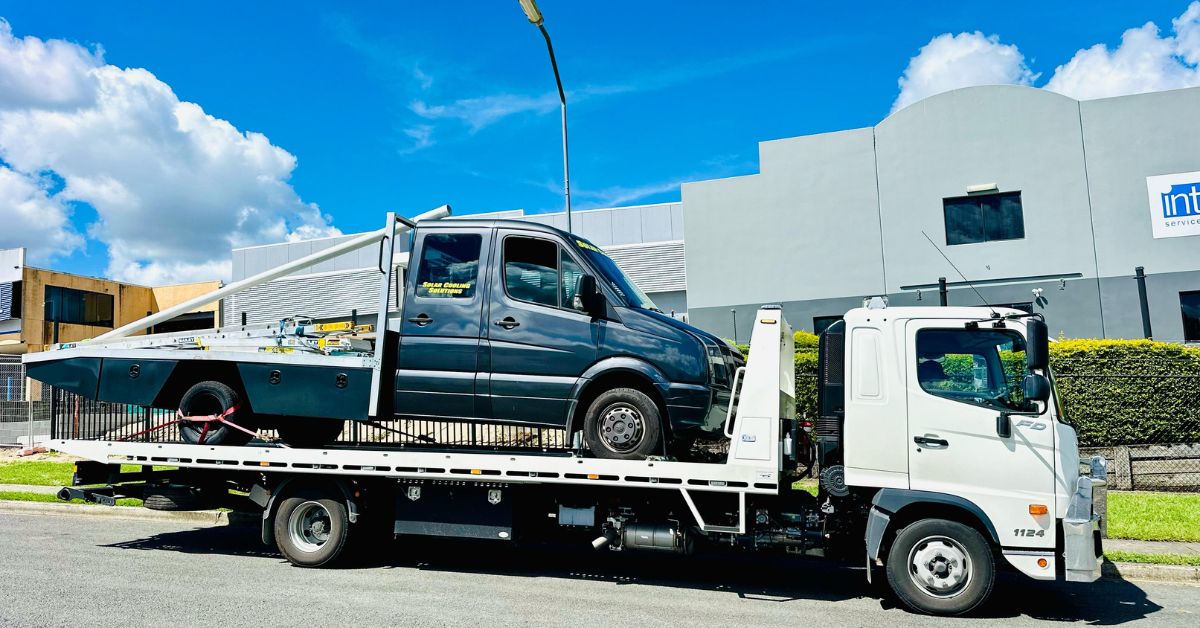
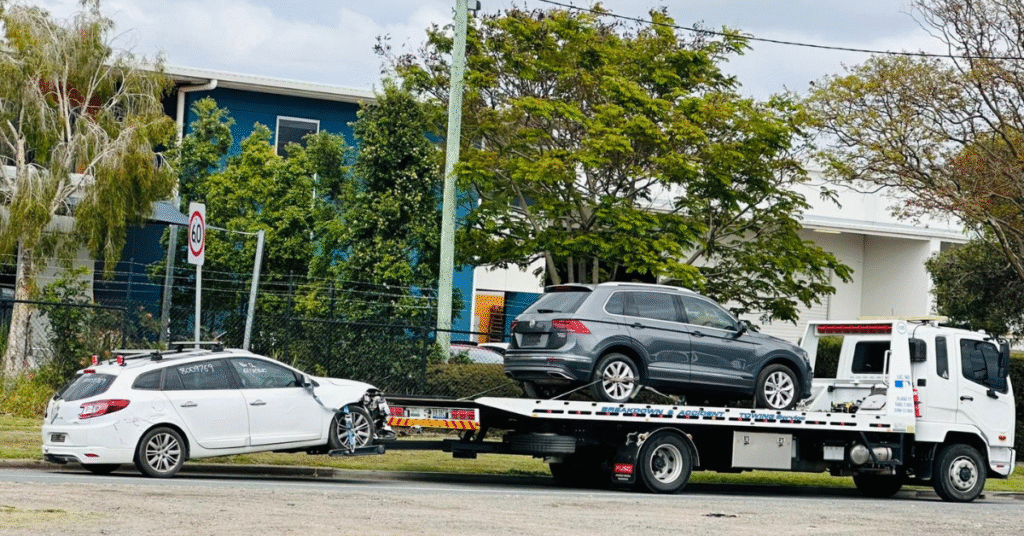
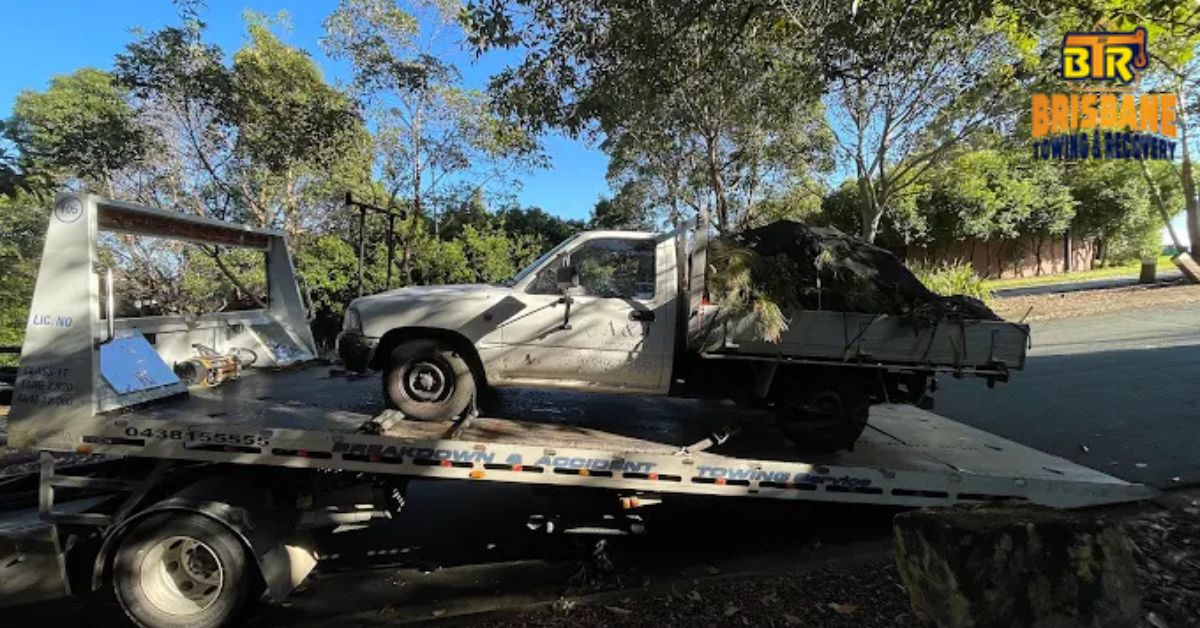
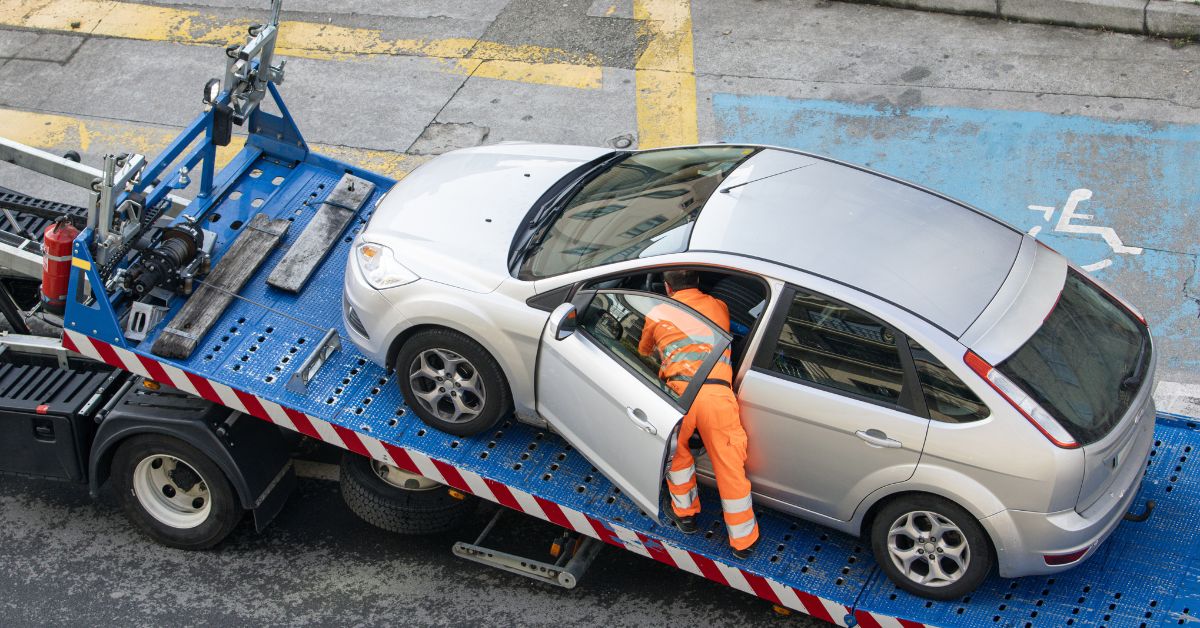
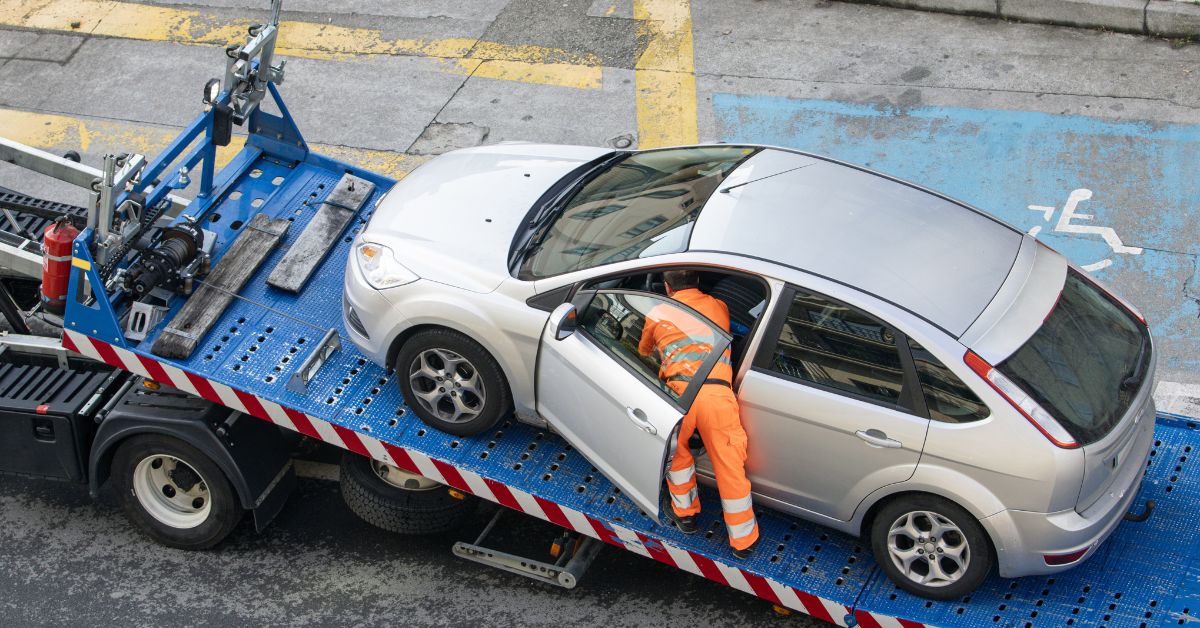
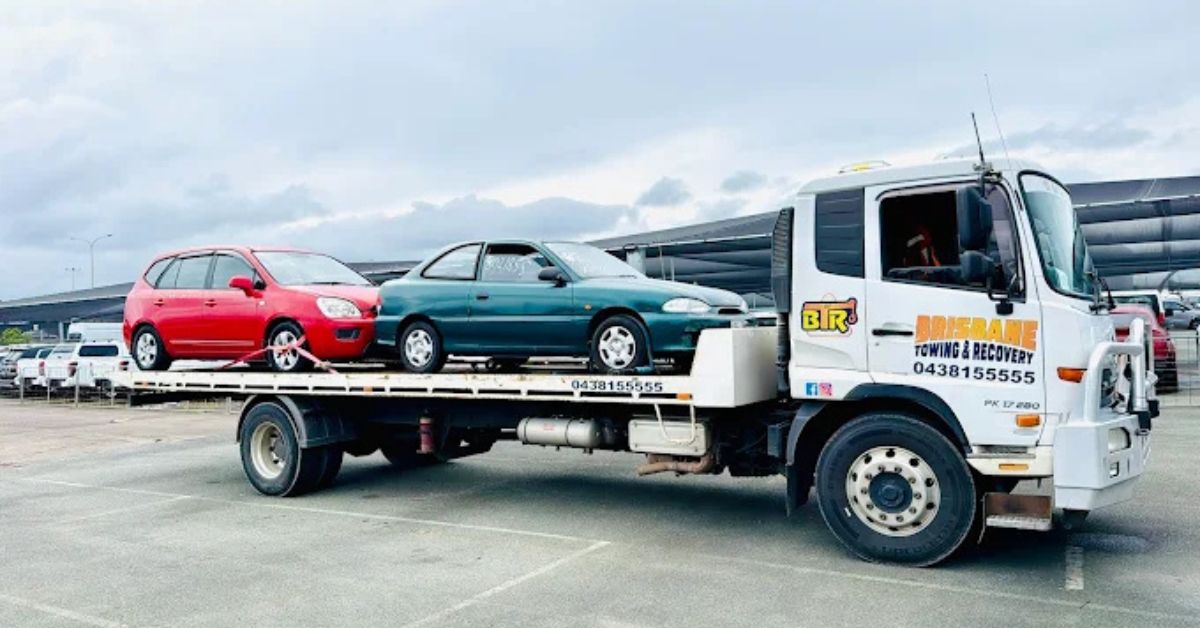
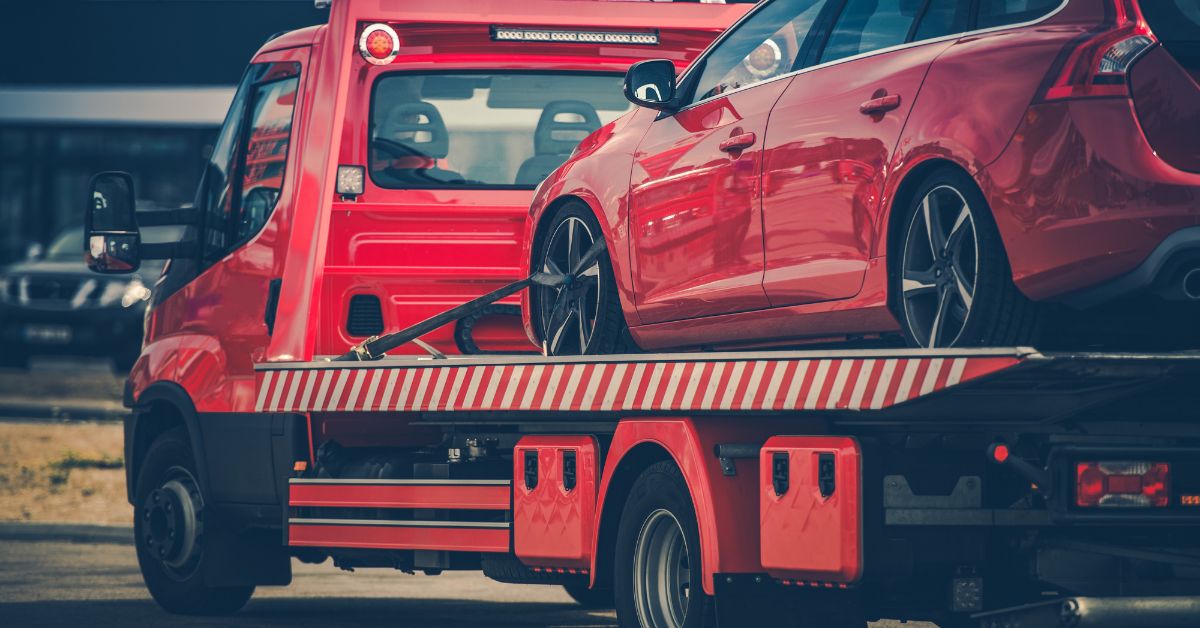
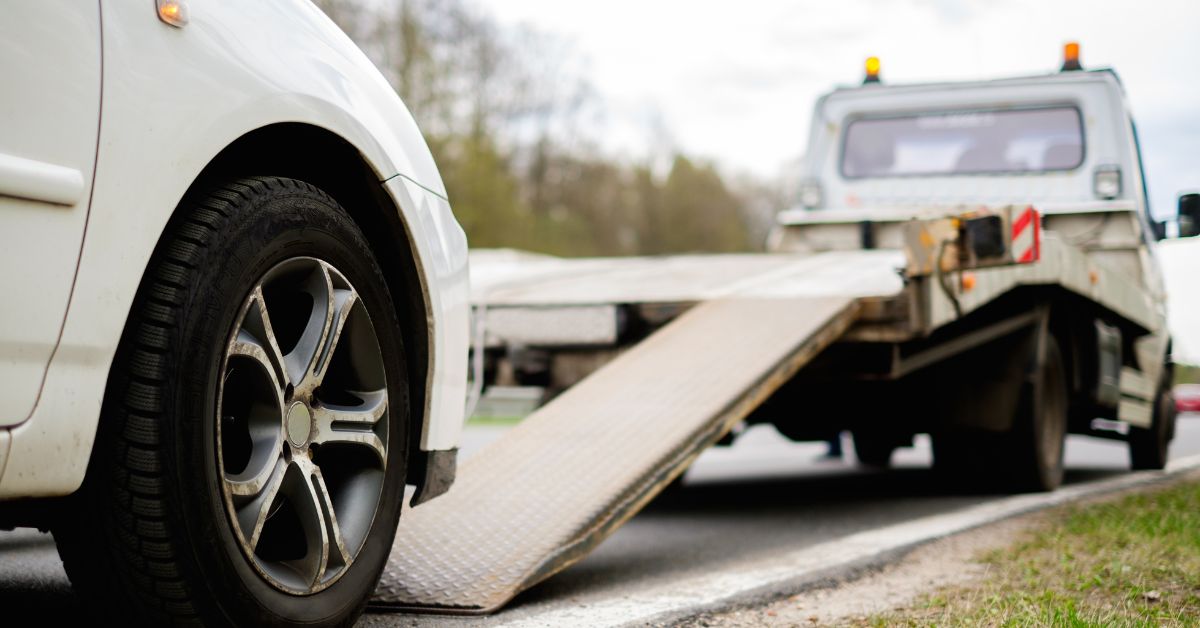
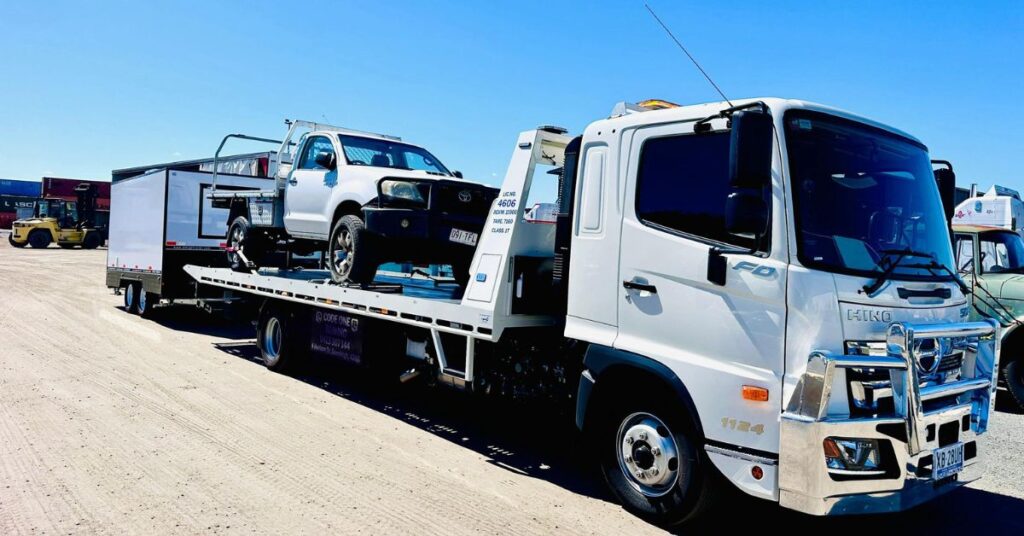
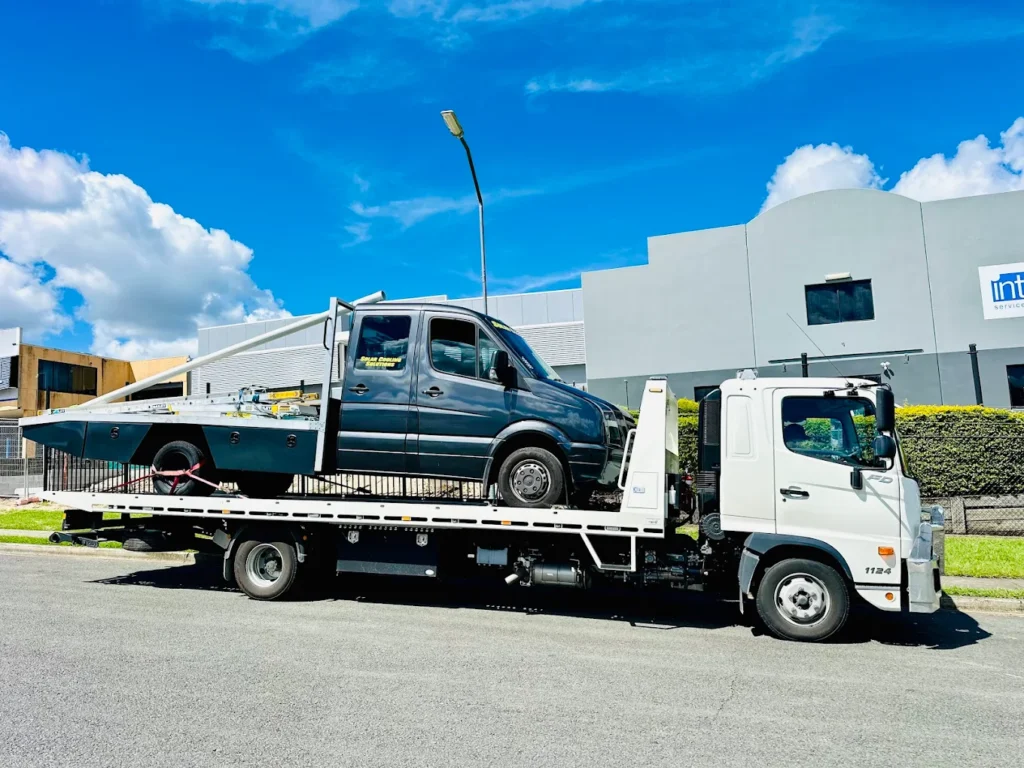
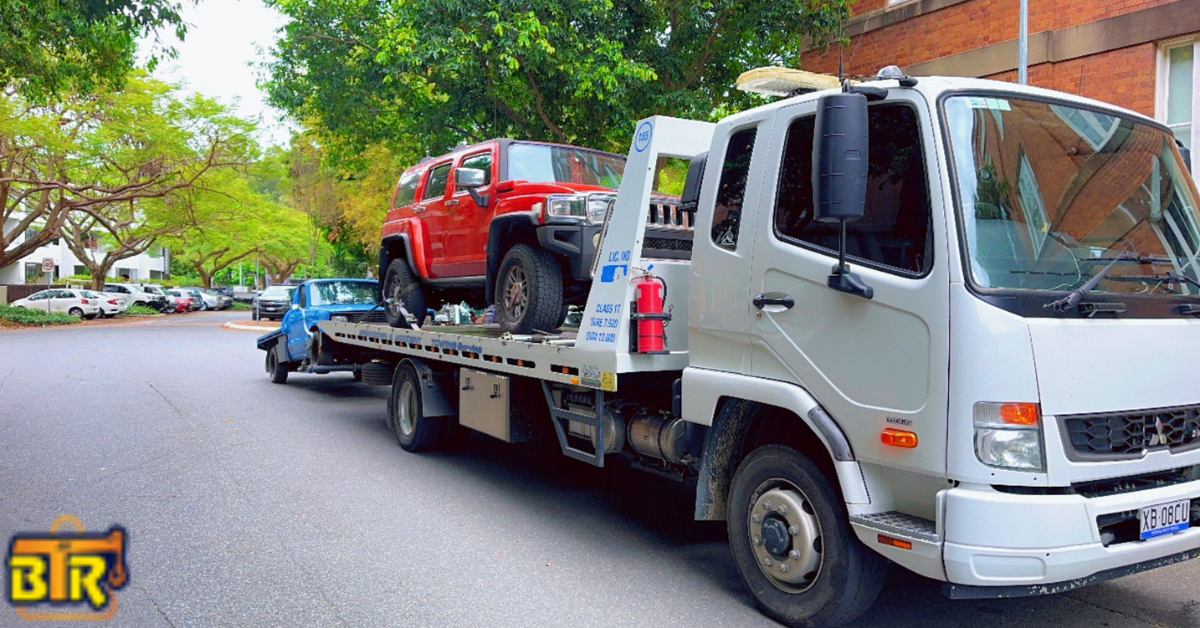
Light-duty trucks are commonly used in Brisbane for towing cars, small vans, UTEs, trailers, and compact equipment. Light truck towing works well for breakdown recovery, local vehicle transport, and short-distance jobs within the city.
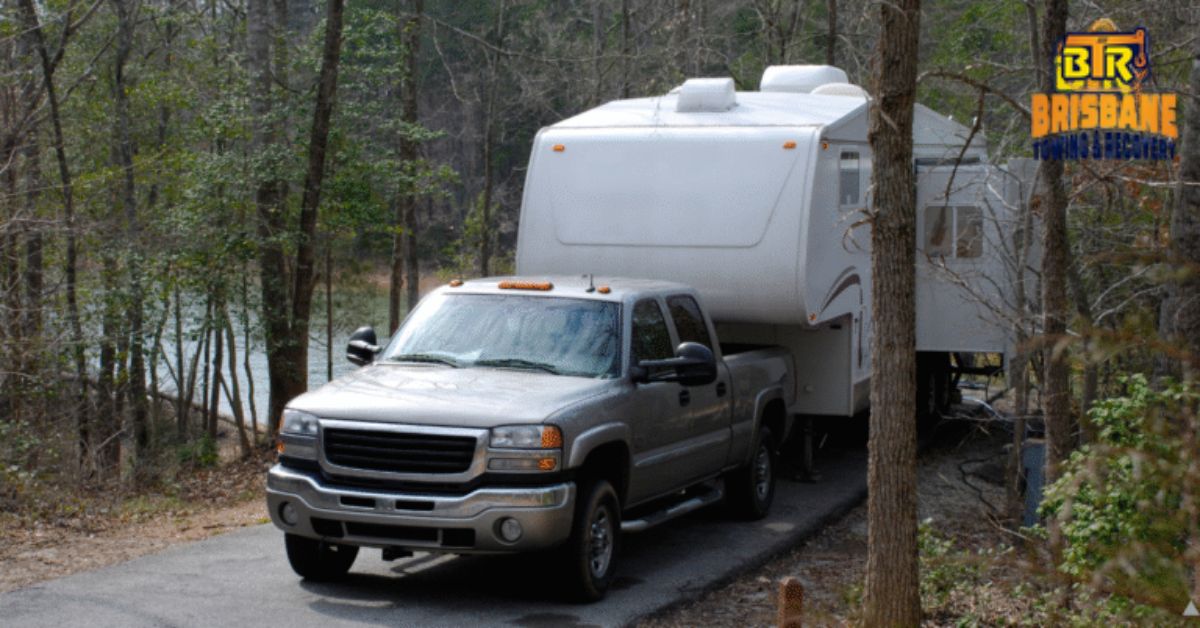
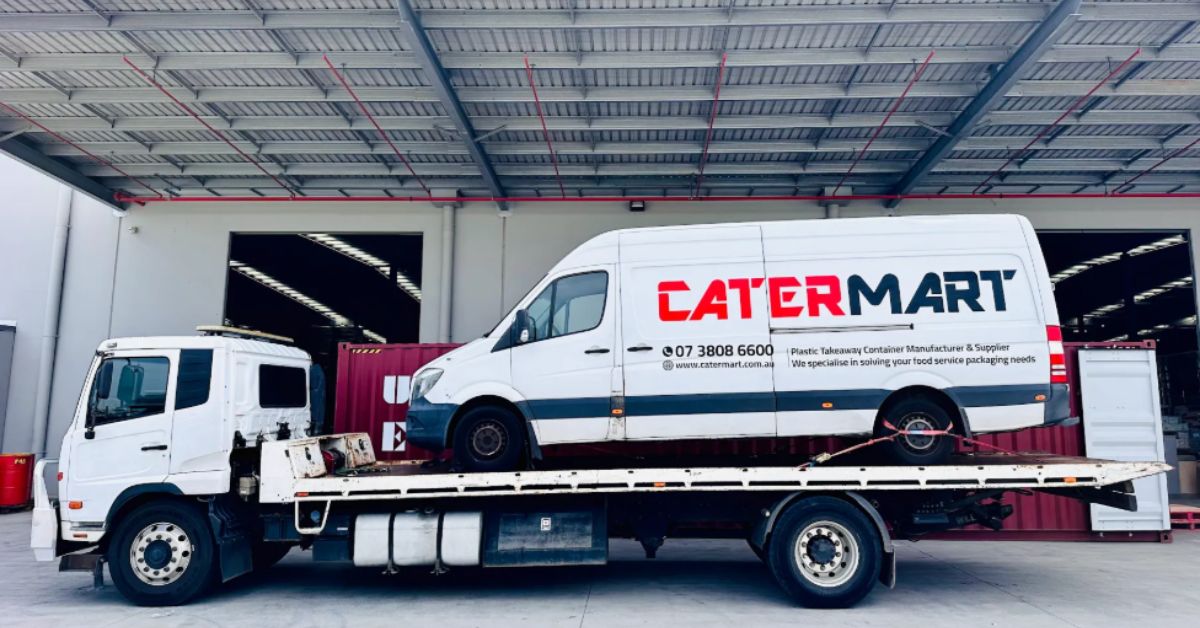
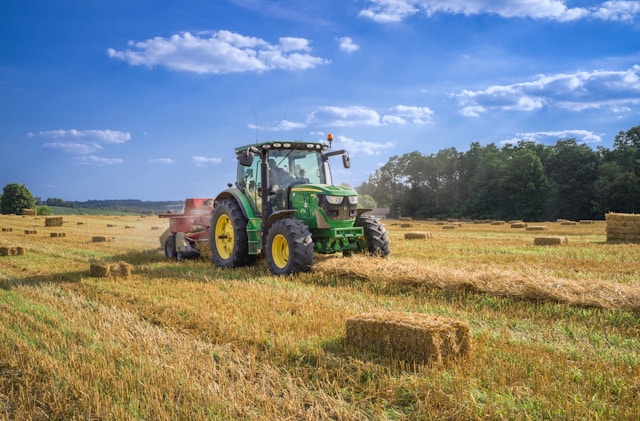
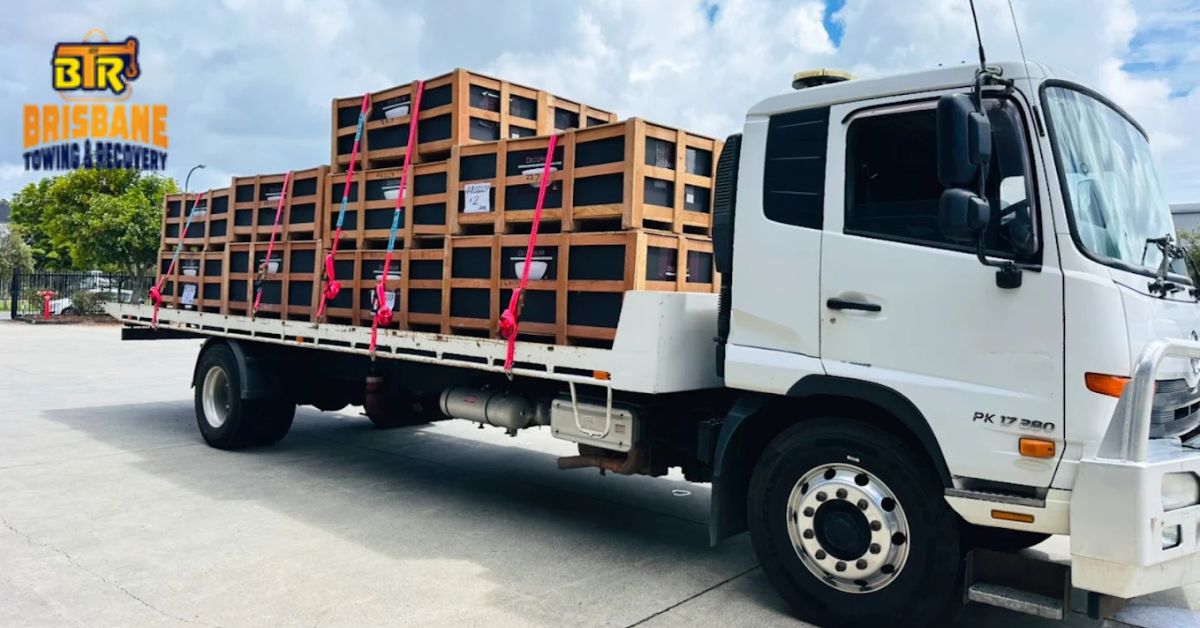
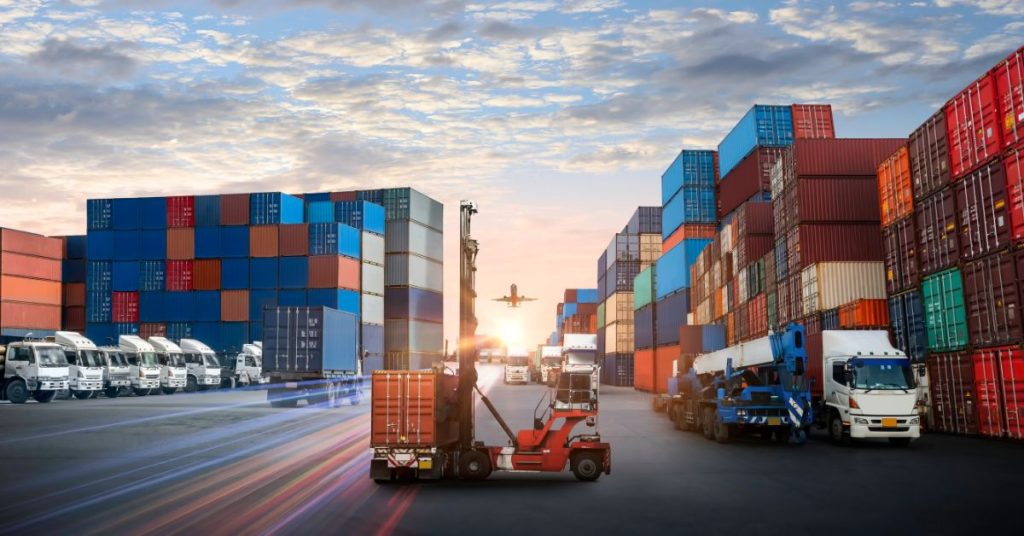
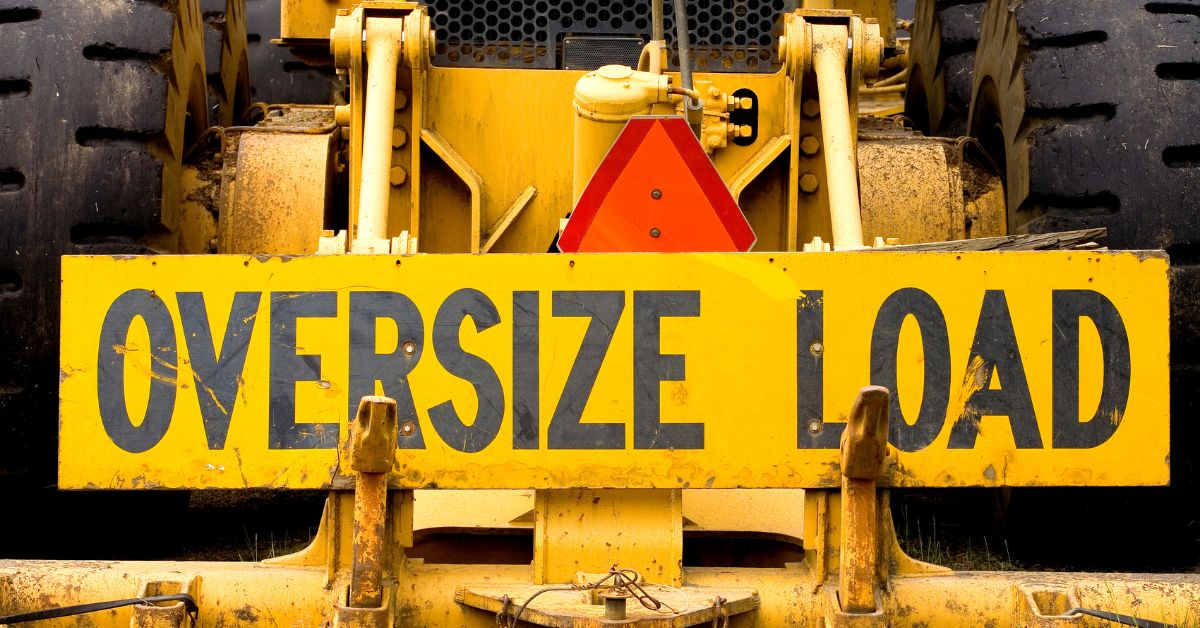
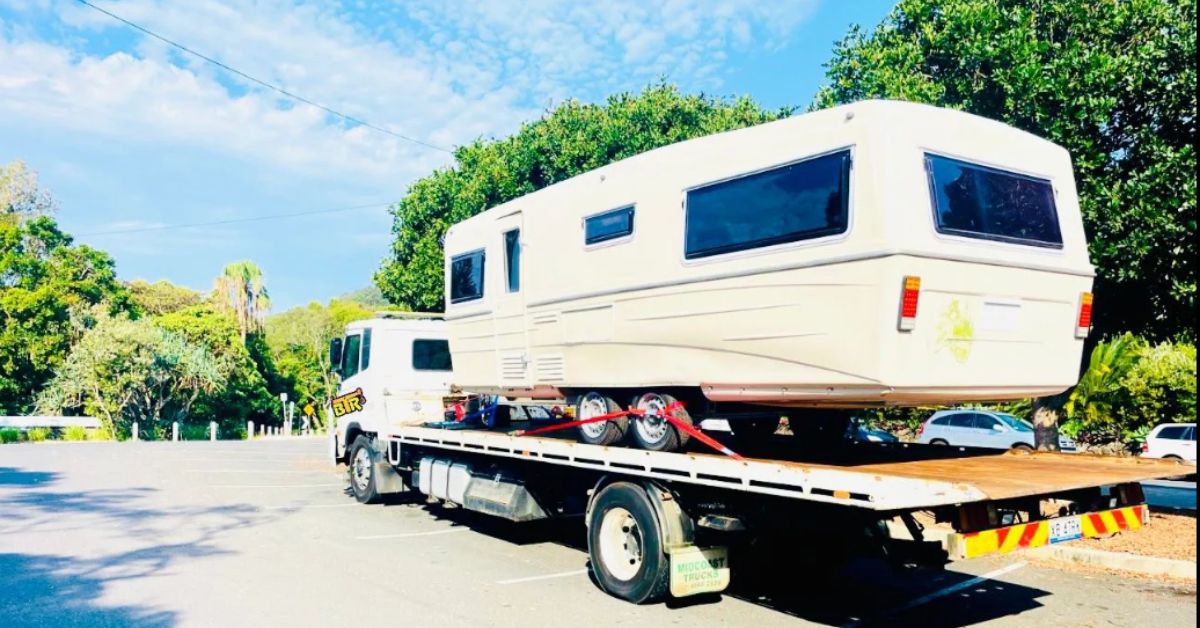
Heavy-duty trucks are required for large commercial vehicles, buses, motorhomes, machinery, and oversized loads. These trucks are built to manage extreme weight safely, making them essential for industrial towing and highway recovery across Queensland.
Matching the truck to the load isn’t optional; it’s a safety requirement in Australia.
The engine's power and strength significantly impact how heavy-duty vehicles perform compared to light-duty vehicles. Light-duty trucks are strong enough to tow things and drive around in an urban setting.
However, when a small engine is used continuously in a heavy load or on a steep hill for an extended period of time, it could cause engine strain. Heavy-duty trucks have been designed with enough torque for long periods of time. They can be used to pull heavy loads, travel up steep hills, and make long-distance pulls along the major highways of Brisbane without overheating or causing damage to their engines.
Reliability is very important to professional towing businesses that operate 24 hours each day
Cost is a major factor in towing decisions.
Light trucks provide a cost-effective alternative to heavy trucks due to lower fuel consumption, lower maintenance requirements, and suitability for individuals and small businesses requiring occasional tow vehicle support in Brisbane.
On the other hand, heavy trucks require a higher upfront investment and an ongoing set of operating costs. Heavy trucks, however, provide your company with a long-term return on its investment. They are capable of performing larger-scale tows, supported by efficiency, durability, and a lower risk of trailer breakdown.
In simple words, light trucks reduce expenses, while heavy trucks support demanding workloads.
The road network throughout Brisbane consists of narrow streets, suburbs, and a congested CBD.
Light trucks are easier to maneuver, making them ideal for urban recoveries, parking lots, and residential breakdowns. Their flexibility allows faster response times and safer navigation in tight spaces.
Heavy trucks require more space and skilled operators. While less suited for narrow streets, they perform exceptionally well on highways, industrial zones, and large recovery sites.
This is why professional towing companies in Brisbane maintain both types of trucks.
Another critical difference between light truck vs heavy truck towing lies in legal requirements.
Light trucks often fall under standard licensing rules, simplifying staffing and compliance. Heavy trucks, however, require special licences, permits, and strict adherence to transport regulations.
In Brisbane, failing to meet these requirements can lead to penalties, delays, or liability issues. Experienced tow truck providers ensure every job meets Queensland transport standards.
Read our recent towing blogs as well:
Motorhome towing checklist for max safety and smooth transportation
Hiring 7 tons truck in Brisbane: Best operators and 10 things that matter
6 machinery situations where you need to hire btr’s heavy duty towing truck
What are the signs your vehicle needs towing?
Emergency Towing in Brisbane: 10 Things to Keep in Mind
Shipping a Tractor in Australia: How-to Guide, Cost, and More
Oversized Load Towing Essentials and Expert Tips to Do it Right
Light trucks are versatile but not built for constant heavy stress. Regular overloading can lead to faster wear on brakes, suspension, and transmissions.
Heavy trucks are engineered for durability. They withstand long hours, repeated heavy loads, and harsh conditions making them the backbone of commercial towing and recovery operations in Brisbane.
If towing is part of your business, durability is non-negotiable.
Ultimately, the choice depends on how and where the truck will be used. Light truck towing in Brisbane is ideal for:
Heavy truck towing is better suited for:
Choosing the wrong truck can compromise safety and efficiency.
Understanding the angles behind the "light truck or heavy tow truck’ discussion helps vehicle owners and businesses make smarter decisions. For safe and compliant towing in Brisbane, it’s always best to rely on experienced professionals who can assess your vehicle and match it with the right equipment.
If you need expert advice or professional towing support, Brisbane Towing & Recovery provides dependable towing services in Brisbane for light and heavy towing needs across the region.
Always put your safety first. If you need emergency towing in the Brisbane region, reach out to us via 0438 155 555 for towing services that are fast and inexpensive.
Also, check out our most popular services:
Light truck towing in Brisbane
Car towing service in Brisbane